
- Discover the mystical and culturally rich Tsum Valley, one of Nepal's most sacred hidden valleys located near the Tibetan border.
- Experience authentic Tibetan Buddhist culture in remote mountain villages where centuries-old traditions, customs, and lifestyles remain remarkably preserved.
- Visit the ancient Mu Gompa (3,700m), the largest and most important monastery in Tsum Valley, surrounded by breathtaking Himalayan landscapes.
- Explore the historic Rachen Gompa, a renowned Buddhist nunnery that serves as an important spiritual center for the local community.
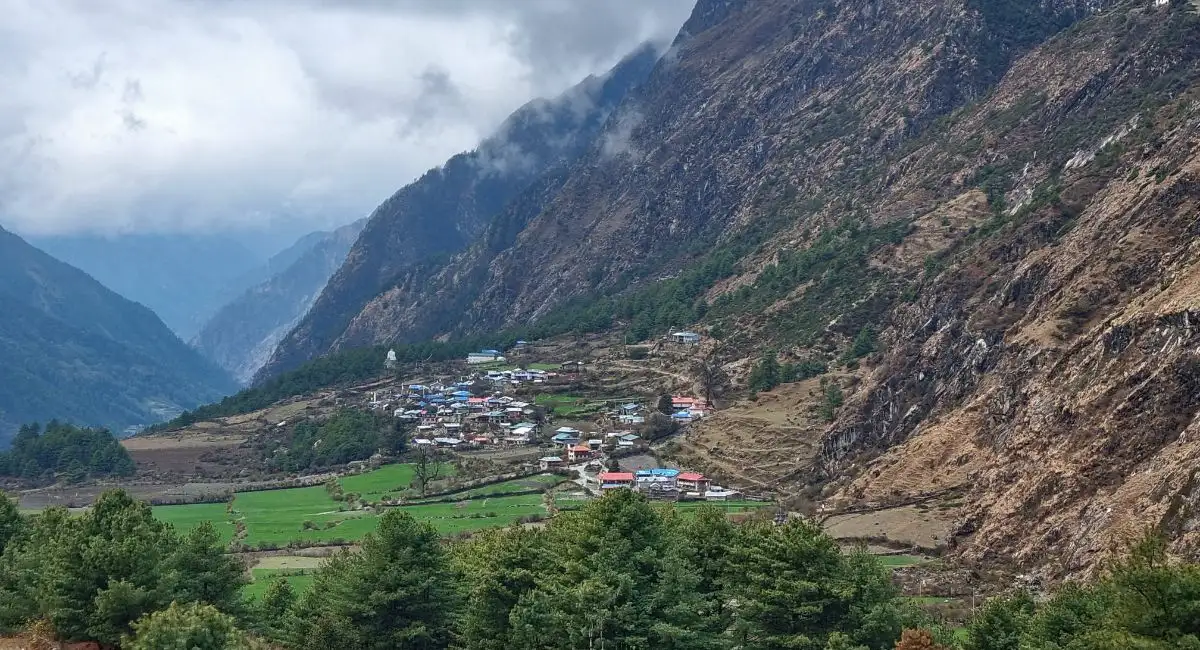
- Trek through the peaceful villages of Chumling, Chhokang Paro, Nile, and Chhekampar, offering unique insights into the daily lives of the Tsumba people.
- Follow rarely visited trails to the spectacular Ganesh Himal Base Camp, one of Nepal's most secluded and pristine trekking destinations.
- Witness close-up views of the majestic Ganesh Himal Range, including Ganesh I (7,422m), Ganesh II, Ganesh III, and surrounding snow-covered peaks.
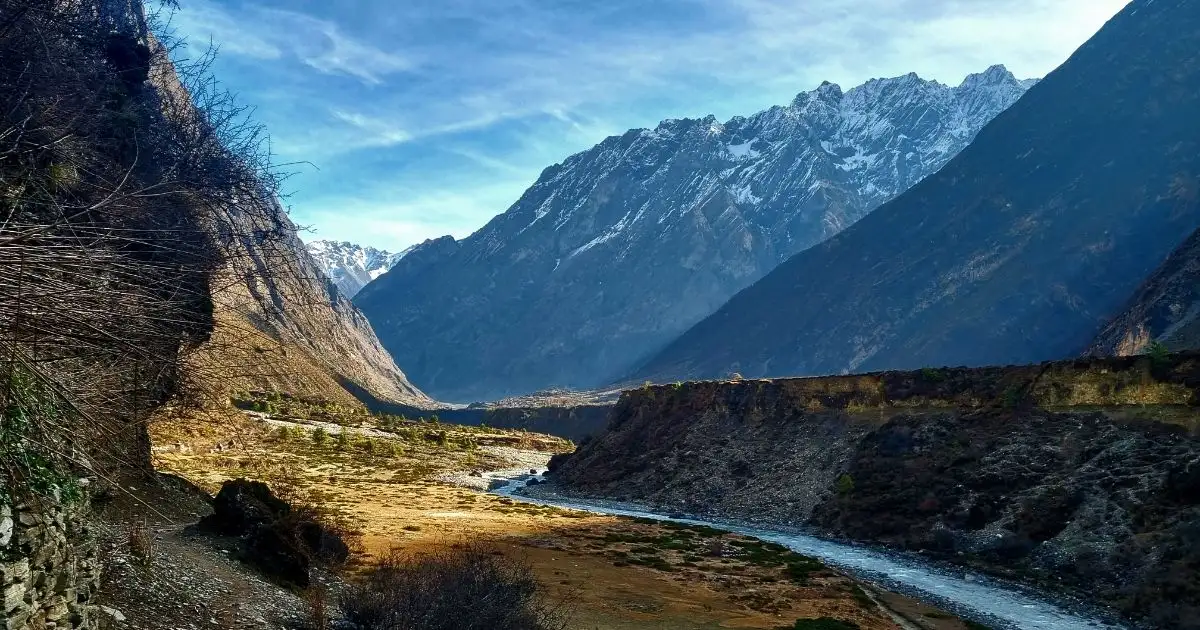
- Walk through diverse landscapes ranging from subtropical forests and deep river gorges to alpine meadows, glacial valleys, and rugged mountain terrain.
- Explore the untouched wilderness of the Manaslu and Annapurna Conservation Area, home to rich biodiversity, rare wildlife, and pristine natural ecosystems.
- Marvel at spectacular Himalayan vistas featuring Himalchuli (7,893m), Ngadi Chuli (7,871m), Shringi Himal (7,187m), Ganesh Himal, Cheo Himal, and Himlung Himal.
- Immerse yourself in traditional Himalayan hospitality while staying in locally operated teahouses and mountain lodges.
- Traverse remote yak pastures, glacial moraines, alpine plateaus, and dramatic high-altitude landscapes rarely experienced by ordinary travelers.
- Cross the legendary Larkya La Pass (5,106m), one of the most spectacular and rewarding high mountain passes in Nepal.
- Enjoy breathtaking sunrise views from Larkya La Pass with panoramic vistas stretching across the Manaslu, Annapurna, and Ganesh Himal mountain ranges.
- Capture extraordinary photography opportunities featuring ancient monasteries, dramatic mountain landscapes, glacial lakes, traditional villages, and snow-capped Himalayan peaks.
- Experience fewer crowds compared to Everest Base Camp and Annapurna Base Camp treks while enjoying equally impressive mountain scenery.
- Discover a perfect blend of culture, adventure, spirituality, and natural beauty within a single trekking itinerary.
- Complete one of the most comprehensive trekking journeys in Nepal by combining Tsum Valley, Ganesh Himal Base Camp, and the iconic Manaslu Circuit Trek in a single expedition.
Tsum Valley Ganesh Himal Base Camp and Manaslu Circuit Trek
From $1485 $1590 /person
DAYS
24 Days
GRADE
Streneous
STARTING ALTITUDE
870 m (2,851 ft.)
MAX. ALTITUDE
5,106 m (16,752 ft.)
ACCOMMODATION
Teahouse/Lodge
BEST SEASON
Springs and Autumn
MEALS
Breakfast, Lunch & Dinner
AVERAGE WALK PER DAY
5-8 Hours
Trip Highlights
Overview
The Tsum Valley Ganesh Himal Base Camp and Manaslu Circuit Trek is a 21 day remote Himalayan adventure in Nepal. The trek combines the sacred Tsum Valley, the pristine Ganesh Himal Base Camp, and the legendary Manaslu Circuit Trek via Larkya La Pass (5,106m). It is ideal for those seeking authentic culture, wilderness, and high-mountain experiences beyond Nepal's crowded trekking routes.
It is located in the restricted northern Himalayas of Nepal. This extraordinary trekking journey takes you through some of the country's most untouched landscapes and culturally preserved mountain communities. Unlike standard trekking routes, this adventure combines 3 remarkable destinations, creating one of the most comprehensive trekking experiences in the Nepal Himalayas.
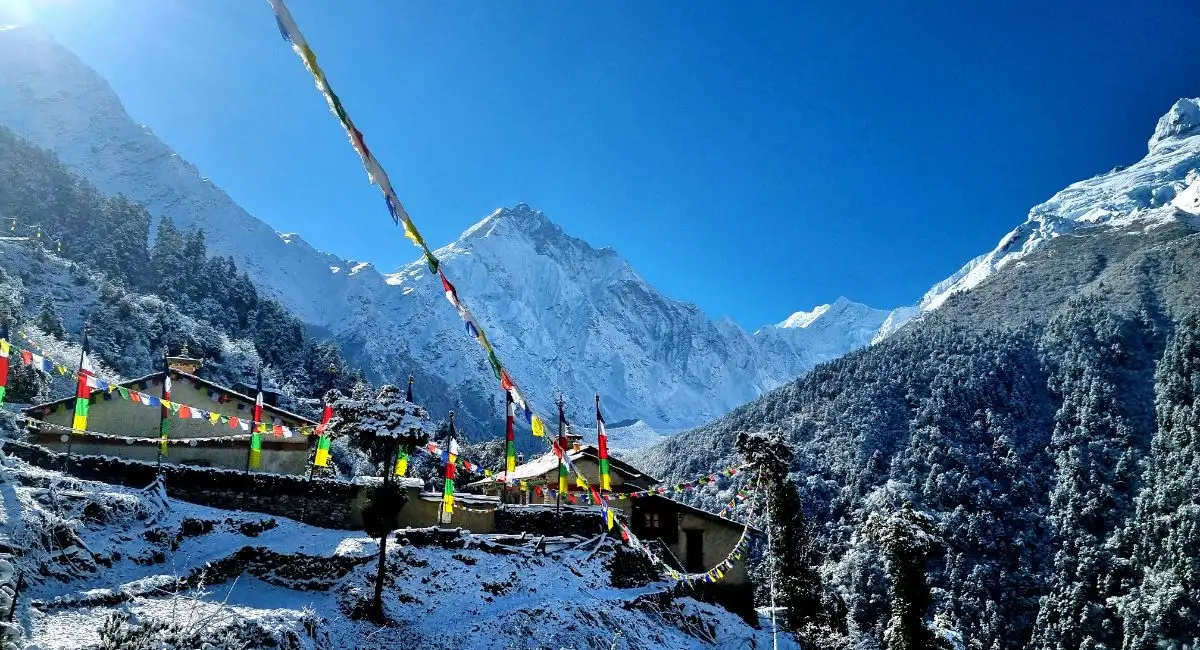
The trek begins in the lower Budhi Gandaki Valley, following ancient trade routes. You will pass through the traditional Gurung villages before entering the sacred Tsum Valley. This valley remained hidden for centuries from the outside world. The valley is a deeply spiritual region influenced by Tibetan Buddhism. Here, the prayer flags flutter above medieval monasteries, and local communities continue to practice traditions that have remained unchanged for generations.
As we go deeper into the valley, we visit significant cultural landmarks such as Mu Gompa, Rachen Gompa, and the historic settlements of Chhekampar and Nile. The region offers rare opportunities to witness authentic Himalayan culture while enjoying spectacular views of Ganesh Himal, Shringi Himal, and surrounding snow-capped peaks.
One of the most exclusive highlights of this itinerary is the journey to Ganesh Himal Base Camp. This remote wilderness is far less visited than other Himalayan base camps. These areas reward you with breathtaking alpine scenery, pristine glaciers, and close-up views of the majestic Ganesh Himal range. The peaceful surroundings and untouched nature create a true expedition-style experience away from commercial trekking routes.
After exploring the hidden valleys of Tsum and Ganesh Himal, the trail reconnects with the classic Manaslu Circuit Trek route. You will continue through the dramatic upper Budhi Gandaki Valley, passing picturesque villages such as Namrung, Lho, Sama Gaun, and Samdo. At the same time, you will also enjoy spectacular views of Mount Manaslu (8,163m), the world's eighth-highest mountain.
The final challenge and ultimate achievement of the trek is crossing the famous Larkya La Pass (5,106m). This pass is one of Nepal's most scenic and rewarding high mountain passes. From the summit, you are rewarded with panoramic views of Manaslu, Himlung Himal, Cheo Himal, Kang Guru, and Annapurna II. You will see countless other surrounding peaks while descending into the glacier, lush forests, and alpine meadows of the Annapurna region.
This trek is perfect for experienced hikers, adventure seekers, photographers, cultural enthusiasts, and travelers looking to experience Nepal's remote Himalayas in their purest form. Tsum Valley Ganesh Himal Base Camp and Manaslu Circuit Trek stand among the most rewarding and complete trekking adventures available in Nepal. Because the trek combines sacred valleys, remote base camps, ancient monasteries, high mountain passes, and spectacular Himalayan panoramas.
Explore Nepal's hidden Buddhist valleys, trek to the remote Ganesh Himal Base Camp, and complete the legendary Manaslu Circuit across Larkya La Pass (5,106m) on the most comprehensive trekking adventure in the Manaslu Region.
Quick Facts
Trek Details | Information |
| Trek Name | Tsum Valley Ganesh Himal Base Camp and Manaslu Circuit Trek |
| Duration | 24 Days |
| Trek Region | Manaslu Region, Nepal |
| Trek Type | Tea House Trek with Camping Option |
| Maximum Elevation | Larkya La Pass (5,106m) |
| Ganesh Himal Base Camp Elevation | Approximately 4,800m |
| Difficulty Level | Challenging |
| Accommodation | Tea Houses, Lodges, and Seasonal Camping |
| Meals | Breakfast, Lunch, and Dinner |
| Best Seasons | Spring (March–May) and Autumn (September–November) |
| Required Permits | Manaslu RAP, Tsum Valley RAP, MCAP, ACAP |
| Starting Point | Machha Khola |
| Ending Point | Tilje |
| Major Highlights | Tsum Valley, Mu Gompa, Ganesh Himal Base Camp, Manaslu Circuit, Larkya La Pass |
| Highest Mountain Seen | Mount Manaslu (8,163m) |
| Group Size | 2–12 Trekkers |
| Guide Requirement | Mandatory |
| Internet Availability | Limited in higher elevations |
| Transportation | Private Jeep and Tourist Vehicle |
Why Choose Tsum Valley Ganesh Himal Base Camp and Manaslu Circuit Trek?
The Tsum Valley Ganesh Himal Base Camp and Manaslu Circuit Trek is one of the most complete trekking adventures in Nepal. This trek combines remote wilderness, ancient Buddhist culture, spectacular mountain scenery, and a challenging high-altitude pass into a single journey. Unlike standard trekking routes, this trek takes you beyond the famous Manaslu Circuit to explore hidden valleys, sacred monasteries, and the rarely visited Ganesh Himal Base Camp, offering a truly unique Himalayan experience.
Experience Nepal's Hidden Himalayan Valleys
While many people visit popular destinations such as Everest Base Camp or Annapurna Base Camp, few venture into the sacred Tsum Valley. Known as the "Hidden Valley of Happiness," Tsum remained isolated from the outside world for centuries. It preserves its unique Tibetan Buddhist heritage, traditional villages, and ancient spiritual practices.
The region offers a rare opportunity to experience authentic Himalayan culture in its purest form, far from modern influences and mass tourism.
Trek to the Remote Ganesh Himal Base Camp
One of the most distinctive features of this itinerary is the journey to Ganesh Himal Base Camp. Unlike the crowded base camps of Nepal, Ganesh Himal Base Camp remains one of the country's least-visited alpine destinations.
The route passes through pristine forests, high mountain meadows, and remote yak grazing areas before reaching breathtaking viewpoints overlooking the Ganesh Himal range. For those seeking solitude and untouched mountain landscapes, this section of the trek is a true hidden gem.
Complete the Legendary Manaslu Circuit Trek
This adventure incorporates the entire Manaslu Circuit Trek, one of Nepal's finest high-altitude trekking routes. The trail circles Mount Manaslu (8,163m), the world's eighth-highest mountain. You will also see the diverse landscapes that range from subtropical river valleys to rugged alpine terrain.
The route provides exceptional mountain views while maintaining a more remote and authentic atmosphere than many of Nepal's more commercial trekking destinations.
Cross the spectacular Larkya La Pass (5,106 m)
For many trekkers, crossing Larkya La Pass is the ultimate highlight of the journey. Larkya La is widely regarded as one of Nepal's most scenic mountain passes. The day rewards you with panoramic views of Manaslu, Himlung Himal, Cheo Himal, Kang Guru, Annapurna II, and countless surrounding peaks.
Reaching the summit of the pass is both a physical achievement and a memorable moment that defines the trekking experience.
Immerse Yourself in Ancient Buddhist Culture
The trek offers an extraordinary cultural experience through visits to centuries-old monasteries, sacred pilgrimage sites, prayer walls, and traditional settlements influenced by Tibetan Buddhism.
You can explore important religious sites such as Mu Gompa, Rachen Gompa, and Gumba Lungdang while learning about the customs, beliefs, and daily life of local Himalayan communities.
Enjoy Fewer Crowds and Greater Wilderness
One of the biggest advantages of this trek is the opportunity to explore some of Nepal's most remote and less-visited regions. Even during the peak trekking seasons of spring and autumn, the trails remain significantly quieter than those in the Everest and Annapurna regions.
This allows you to enjoy a more peaceful experience, deeper cultural interactions, and a stronger connection with nature.
Witness Extraordinary Himalayan Landscapes
Throughout the journey, you will encounter an ever-changing variety of landscapes, including:
- Deep river gorges
- Terraced farmland
- Pine and rhododendron forests
- Alpine meadows
- Glacier-fed valleys
- High mountain deserts
- Snow-covered mountain passes
The diversity of scenery makes every day of the trek unique and visually rewarding.
Perfect for Adventure Seekers and Experienced Trekkers
This trek is ideal for travelers seeking more than a traditional trekking holiday. It combines cultural discovery, wilderness exploration, remote camping opportunities, challenging high-altitude trekking, and world-class mountain scenery.
Whether your goal is to explore hidden valleys, photograph remote Himalayan landscapes, experience authentic mountain culture, or complete one of Nepal's most rewarding trekking routes, this adventure delivers an unforgettable experience.
Why This Trek Stands Out
This trek combines sacred Buddhist heritage, remote Himalayan wilderness, a secluded base camp, spectacular mountain panoramas, and the iconic Manaslu Circuit in a single itinerary. The Tsum Valley Ganesh Himal Base Camp and Manaslu Circuit Trek is one of the best trekking adventures available in Nepal. Few routes offer such a remarkable combination of culture, scenery, solitude, and high-altitude achievement.
Trip Short Itinerary
1
Drive from Kathmandu to Machhakhola 930 m
2
Drive to Bhangsing and Trek to Lokpa 1930 m
3
Trek from Lokpa to Chumling 2386 m
4
Trek from Chumling to Lamagaon 3230 m
5
Trek from Lamagaon to Mu Gompa 3650 m
6
Trek from Mu Gompa to Chhokang Paro 3050 m
7
Trek from Chhokang Paro to Gumba Lungdang 3300 m
8
Trek to Ganesh Himal Base Camp (4,200m) and Return to Gumba Lungdang 4200 m
9
Trek from Gumba Lungdang to Ripchet 2500 m
10
Trek from Ripchet to Deng 1850 m
11
Trek from Deng to Bihi 2150 m
12
Trek from Bihi to Serang Monastery 3050 m
13
Trek from Serang Monastery to Ghap 2100 m
14
Trek from Ghap to Lho 3170 m
15
Trek from Lho to Pungyen Gompa and Return to Shyala 3500 m
16
Trek from Shyala to Samagaun (3,530m) and Visit Birendra Lake & Monastery 3530 m
17
Acclimatization Day 3530 m
18
Trek from Samagaun to Samdo 3870 m
19
Trek from Samdo to Dharamsala 4470 m
20
Trek from Dharamsala to Bhimtang (3,720m) via Larkya La Pass (5,120m) 5120 m
21
Trek to Tilje and Drive to Besisahar 840 m
What's included
Transportation
- Public Bus from Kathmandu to Machhakhola
- Private Jeep from Machhakhola to Bangsing
- Public sharing of a Jeep from Tilje to Besisahar
- Sofa-seater tourist Bus from Besisahar to Kathmandu
Food and Accommodations
- Basic yet comfortable accommodation for 21 nights in a twin-sharing room.
- Breakfast, Lunch, and Dinner as per the itinerary (any 1 item in each meal from the teahouse menu)
- A cup of black tea during breakfast
Guide & Porter Support
- Experienced licensed guide during the trek
- All the expenses for the staff, including their wages, food, accommodation, transportation, and insurance during the trek.
Permits Fees
- Restricted Area Permit for Manaslu and Tsum area
- Manaslu Conservation Area Permit
- Annapurna Conservation Area Permit
- Local Area Permit
Safety & Medical Assistance
- Assistance in organizing helicopter rescue and medical evacuations (funded by your travel insurance).
- Comprehensive first-aid kit, including an oximeter to monitor blood oxygen levels at high altitudes.
Others
- General first aid medicine kit carried by the guide
- Water purification tablets during the trek, if needed
- Complimentary 1 T-shirt (moisture-wicking) and cap, if needed
- Duffle bag during the trek, if needed
What's excluded
Excludes
- International Flight Fare
- Personal expenses of any kind
- Any Travel Insurance
- Any additional cost due to natural calamity and unforeseen circumstances that may lead to a change in itinerary.
- Tips for any staff and guides
- Anything that is not listed in the “PRICE INCLUDES” section above
Extra Amenities (extra charges if added)
- Porters during the trek
- Accommodation in Kathmandu, since there are many possibilities available.
- Private Jeep from KTM to Machha Khola, Tilje to Besisahar, or Besisahar to KTM
Route & elevation
Start 930m Peak 5,120m End 840m
Starts
Machhakhola
+19 more stops
Ends
Besisahar
Tsum Valley Ganesh Himal Base Camp and Manaslu Circuit Trek
24 days 5,120m peak
Book this trip Elevation profile
Day-by-day itinerary
Drive
160 KM
Distance
150KM
Driving Duration: 8–12 Hours
Distance: Approximately 160 km
Your Tsum Valley Ganesh Himal Base Camp and Manaslu Circuit Trek begins with an early morning departure from Kathmandu. Leaving behind Nepal's bustling capital city, the journey follows winding mountain highways through picturesque hills, terraced farmlands, and traditional villages. The road gradually descends into the Trishuli River Valley before connecting with the Budhi Gandaki River corridor, the lifeline of the Manaslu region.
Along the drive, you will witness beautiful rural landscapes, cascading waterfalls, green rice terraces, and authentic Nepalese countryside life. The route passes through Arughat and Soti Khola before continuing deeper into the remote Budhi Gandaki Valley.
As the road narrows and follows the river's dramatic gorge, the scenery becomes increasingly wild and rugged. You will get your first taste of the remote Manaslu region upon arrival at Machhakhola. You will experience the small riverside settlement surrounded by steep forested hills on both sides.
Overnight stay at a teahouse in Machhakhola.
Machhakhola
Machhakhola is a vibrant village in the Gorkha District of Nepal. The village is positioned at an elevation of 870 meters along the Budhi Gandaki River. It is undeniably a key starting point for the Manaslu Circuit Trek and lies at a distance of approximately 160 kilometers from Kathmandu.
Accommodation
Lodge
Food / Meal
Lunch, Dinner
Driving Duration: 2–3 Hours
Trekking Duration: 4–5 Hours
Distance: Approximately 25 km Drive + 8 km Trek
After breakfast, a short but scenic jeep ride continues along rugged mountain roads to Bhangsing. The route follows the Budhi Gandaki River through narrow gorges, traditional settlements, and lush forests.
From Bhangsing, the trekking portion begins. The trail gradually leaves the main Manaslu route and enters the restricted Tsum Valley region. Dense pine forests, rhododendron woodlands, and peaceful mountain trails characterize the day's walk.
As you gain elevation, magnificent views of Shringi Himal (7,187m) begin to emerge above the surrounding ridges. The landscape becomes increasingly tranquil as fewer trekkers venture into this remote section of Nepal.
Lokpa serves as the gateway to Tsum Valley and offers the first glimpse into the unique culture and atmosphere of this hidden Himalayan region.
Overnight stay in Lokpa.
Lokpa
Lokpa village is the main gateway and first settlement of the hidden Tsum Valley in Nepal's Gorkha district. It features a restricted area permit checkpoint, basic tea houses, and stunning views of Himalchuli and Boudha Himal.
Accommodation
Teahouse
Food / Meal
Breakfast, Lunch, Dinner
Walking Duration: 5–6 Hours
Distance: Approximately 10 km
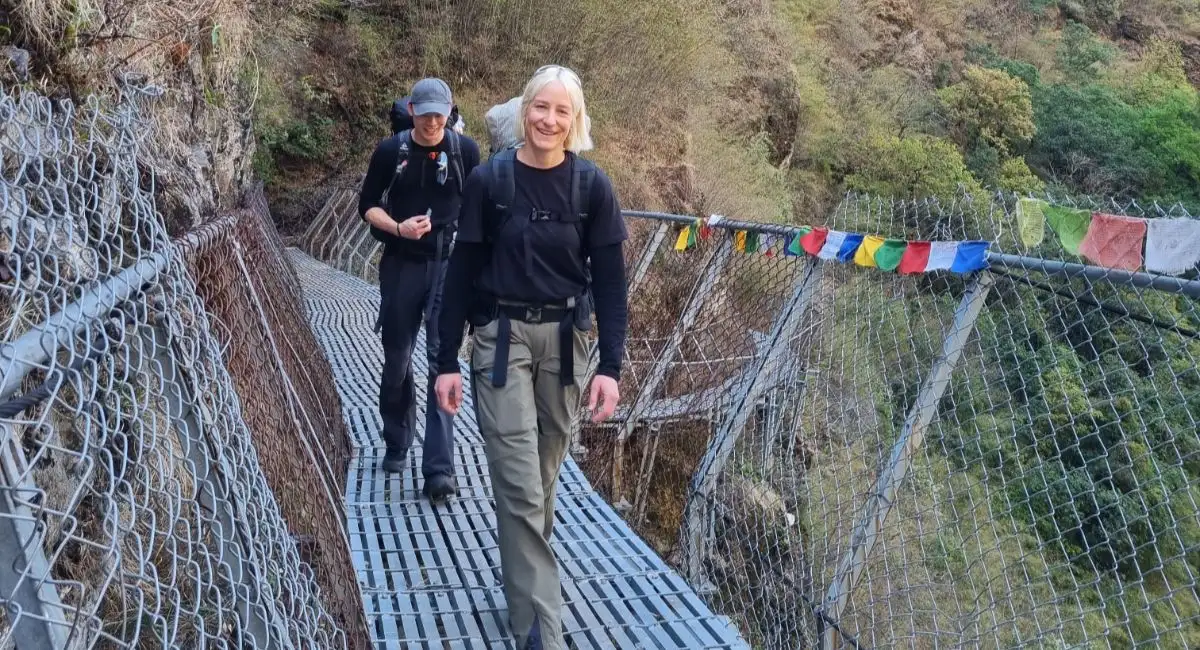
Today's trail descends through dense forests before crossing suspension bridges above the roaring Siyar Khola. The route then climbs steadily through pristine Himalayan wilderness toward Chumling.
Pine forests, juniper trees, waterfalls, and deep river valleys dominate the landscape. Along the way, you may encounter local farmers, mule caravans, and villagers carrying supplies between remote settlements.
As the trail approaches Chumling, panoramic views of Ganesh Himal and Shringi Himal become increasingly impressive. Traditional stone houses decorated with prayer flags reveal the strong Tibetan Buddhist influence of the region.
Chumling is one of the most beautiful villages in the lower Tsum Valley and offers spectacular mountain scenery combined with rich cultural experiences.
Overnight stay in Chumling.
Chumling
Chumling village is at an altitude of 2,386 meters in the lower Tsum Valley of the Manaslu region. This traditional stone-house settlement features ancient monasteries, mani walls, and stunning views of Ganesh Himal.
Accommodation
Teahouse
Food / Meal
Breakfast, Lunch, Dinner
Walking Duration: 6–7 Hours
Distance: Approximately 12 km
The trail gradually ascends through increasingly open landscapes as you enter the upper sections of Tsum Valley. Ancient mani walls, chortens, and prayer wheels line the route, reflecting the valley's deep spiritual significance.
Throughout the day, you will enjoy outstanding views of Ganesh Himal, Himalchuli (7,893m), and various surrounding peaks. The trail passes through traditional settlements where centuries-old Buddhist traditions remain an integral part of daily life.
As elevation increases, dense forests give way to alpine terrain, yak pastures, and expansive mountain vistas. The crisp mountain air and peaceful atmosphere create a truly immersive Himalayan experience.
Lamagaon is a small traditional settlement surrounded by stunning mountain scenery and serves as an excellent overnight stop before continuing toward Mu Gompa.
Overnight stay in Lamagaon.
Lamagaon
Lamagaon (also spelled Lama Gaon) is a traditional mountain village sitting in the upper Tsum Valley of the Gorkha District, Nepal. It features close-knit stone houses, narrow alleyways, and flat agricultural fields framed by mani walls and chortens.
Accommodation
Teahouse
Food / Meal
Breakfast, Lunch, Dinner
Walking Duration: 4–5 Hours
Distance: Approximately 8 km
Today is one of the cultural highlights of the entire trek. The route follows a gradual ascent through the upper Tsum Valley, passing isolated villages, ancient Buddhist monuments, and vast alpine landscapes.
The scenery becomes increasingly dramatic with uninterrupted views of Ganesh Himal, Poshyop Glacier, and surrounding snow-covered peaks. Colorful prayer flags flutter in the wind as you approach the sacred surroundings of Mu Gompa.
Founded in the 19th century, Mu Gompa is the largest monastery in Tsum Valley and remains an important center of Buddhist learning and meditation. The monastery's remote location creates an atmosphere of serenity rarely found elsewhere in the Himalayas.
Spending the night inside the monastery provides a unique opportunity to experience monastic life and witness the spiritual traditions of the local community.
Overnight stay at Mu Gompa Monastery.
Mu Gompa
Mu Gompa is the largest and highest monastery in the sacred Tsum Valley of Gorkha District, Nepal. This monastery was established in 1895; it serves as a remote spiritual center and the ultimate highlight of the Tsum Valley Trek.
Accommodation
Monastery
Food / Meal
Breakfast, Lunch, Dinner
Walking Duration: 5–6 Hours
Distance: Approximately 11 km
After a memorable night at the monastery, the trail descends through the upper Tsum Valley toward Chhokang Paro.
The route offers exceptional views of Ganesh Himal and the surrounding alpine ridges. You will pass through remote settlements where Tibetan Buddhist culture continues to flourish.
You will walk alongside mani walls, prayer wheels, and sacred monuments while enjoying panoramic views across the entire valley. The descent allows plenty of opportunities for photography as changing angles reveal new perspectives of the surrounding mountain ranges.
Chhokang Paro is among the most picturesque villages in Tsum Valley, known for its traditional stone architecture and spectacular Himalayan backdrop.
Overnight stay in Chhokang Paro.
Chhokang Paro
Chhokang Paro is a large, traditional Tibetan-style village sitting in the upper Tsum Valley of Gandaki Province, Nepal. It consists of twin settlements (Chhokang and Paro) built on flat, fertile farmland with grand views of Ganesh Himal.
Accommodation
Teahouse
Food / Meal
Breakfast, Lunch, Dinner
Walking Duration: 5–6 Hours
Distance: Approximately 9 km
Today's trek leads away from the main Tsum Valley route toward the sacred monastery of Gumba Lungdang. The trail crosses suspension bridges and climbs steadily through beautiful pine and rhododendron forests.
As the elevation increases, magnificent views of the Ganesh Himal range dominate the horizon. Snow-capped peaks rise dramatically above lush forests and alpine meadows, creating one of the most scenic sections of the entire trek.
Gumba Lungdang is a peaceful monastery perched on a ridge overlooking the valley below. Surrounded by prayer flags and spectacular mountain scenery, it serves as an important pilgrimage site for local Buddhists.
The monastery's tranquil setting offers breathtaking sunset and sunrise views over the Ganesh Himal massif, making it one of the most memorable overnight locations of the journey.
Overnight stay at Gumba Lungdang Monastery.
Gumba Lungdang
Gumba Lungdang is a remote Tibetan Buddhist nunnery on a ridge in the Tsum Valley of Nepal's Gorkha District. It sits at the base of Ganesh Himal. This monastery serves as home to about 40 nuns and acts as the starting point for hikes to Ganesh Himal Base Camp.
Accommodation
Monastery
Food / Meal
Breakfast, Lunch, Dinner
Walking Duration: 7–9 Hours
Distance: Approximately 12 km
Meals: Breakfast, Lunch & Dinner
Accommodation: Monastery Stay
Today is one of the most anticipated and rewarding days of the entire trek as you journey to the spectacular Ganesh Himal Base Camp. Leaving Gumba Lungdang early in the morning, the trail climbs steeply through alpine meadows, yak grazing pastures, and rugged high-altitude terrain.
As the elevation increases, the landscape transforms dramatically. Dense forests disappear, replaced by open mountain slopes, rocky ridges, and pristine alpine scenery. The higher you climb, the more expansive the views become. Towering above the trail are the magnificent peaks of Ganesh Himal I (7,422m), Ganesh Himal II, Ganesh Himal III, and Ganesh Himal IV, creating one of the finest mountain panoramas in Nepal.
The final approach to Ganesh Himal Base Camp rewards you with breathtaking close-up views of glaciers, snowfields, rugged mountain faces, and untouched Himalayan wilderness. Unlike the crowded base camps of Everest or Annapurna, Ganesh Himal Base Camp remains remote and rarely visited. This offers you a true sense of exploration and solitude.
After enjoying the spectacular scenery, photography opportunities, and a packed lunch surrounded by the mountains, the trail descends back to Gumba Lungdang.
Overnight stay at Gumba Lungdang Monastery.
Accommodation
Monastery
Food / Meal
Breakfast, Lunch, Dinner
Walking Duration: 6–7 Hours
Distance: Approximately 13 km
After witnessing the beauty of Ganesh Himal Base Camp, today's trek descends through peaceful forests and traditional villages toward Ripchet. The trail retraces part of the route before branching toward lower elevations.
The descent offers ever-changing views of the Ganesh Himal range while passing through dense pine forests, rhododendron woodlands, and tranquil mountain landscapes. During spring, the hillsides burst into vibrant colors as rhododendrons bloom across the region.
Along the route, you will pass small settlements where local families continue to practice traditional agriculture and animal husbandry. The cultural atmosphere remains deeply influenced by Tibetan Buddhism, with prayer flags, chortens, and mani walls visible throughout the day.
Ripchet is a charming mountain village perched on a hillside with beautiful views of the surrounding valleys and forest-covered ridges.
Overnight stay in Ripchet.
Ripchet
Ripchet is a remote agricultural village at a high mountain terrace in the Tsum Valley of northern Gorkha. This village has traditional terraced fields of barley and buckwheat and serves as a quiet stop on the Tsum Valley Trek near Lokpa and Chumling.
Accommodation
Teahouse
Food / Meal
Breakfast, Lunch, Dinner
Walking Duration: 6–7 Hours
Distance: Approximately 14 km
Today's route gradually reconnects with the classic Manaslu Circuit Trail. Descending through lush forests and crossing several suspension bridges, it leaves you in the hidden valleys of Tsum and enters the culturally rich Nubri region.
The trail follows sections of the Budhi Gandaki River, whose turquoise waters cut through dramatic gorges and steep mountain slopes. Waterfalls cascade down towering cliffs while dense forests provide habitat for various Himalayan wildlife species.
As the route approaches Deng, the cultural transition becomes noticeable. Traditional Tibetan-style houses, carved wooden windows, and Buddhist landmarks begin to dominate the landscape.
Deng serves as an important resting point on the Manaslu Circuit and offers stunning views of surrounding ridges and forested valleys.
Overnight stay in Deng.
Deng
Deng Village is a traditional mountain settlement along the Manaslu Circuit Trek in Nepal's Gorkha District. It sits beside the Budhi Gandaki River and marks a major cultural shift into strongly influenced Tibetan Buddhist traditions.
Accommodation
Teahouse
Food / Meal
Breakfast, Lunch, Dinner
Walking Duration: 5–6 Hours
Distance: Approximately 10 km
The trail continues through the beautiful upper Budhi Gandaki Valley, where Tibetan-influenced culture becomes increasingly prominent. The route alternates between forest trails, cliffside paths, and traditional villages connected by suspension bridges.
Throughout the day, you can enjoy views of dramatic mountain landscapes, deep canyons, and snow-capped peaks appearing above the valley walls. Colorful prayer flags, mani stones, and Buddhist shrines reflect the spiritual heritage of the region.
The journey passes through small settlements where local communities maintain a traditional way of life shaped by centuries of trade and cultural exchange with neighboring Tibet.
Bihi is a peaceful village known for its authentic atmosphere and beautiful mountain surroundings. The village's stone-built houses and terraced fields create an idyllic Himalayan setting.
Overnight stay in Bihi.
Bihi
Bihi Village (also spelled Bhi) is a small, traditional settlement in the Gorkha District of Nepal's Manaslu Conservation Area. This village sits along the early-to-mid section of the famous Manaslu Circuit Trek.
While many people stay on the main loop and bypass it, Bihi is highly significant as a cultural hub. This village is also the primary gateway for one of the region’s best hidden side trips.
Accommodation
Teahouse
Food / Meal
Breakfast, Lunch, Dinner
Walking Duration: 6–7 Hours
Distance: Approximately 12 km
Today offers a fascinating cultural detour away from the main Manaslu Circuit route. The trail ascends through forests and remote mountain landscapes toward the sacred Serang Monastery. This monastery is one of the region's most important spiritual centers.
As you gain elevation, the scenery opens into spectacular alpine landscapes with panoramic views of surrounding valleys and snow-covered peaks. The route passes isolated settlements and ancient meditation sites used by Buddhist practitioners for generations.
Serang Monastery sits in a peaceful and secluded location surrounded by forests, mountain ridges, and prayer flags fluttering in the Himalayan wind. The monastery serves as a center for Buddhist study and meditation, preserving traditions that have been practiced here for centuries.
An overnight stay in the monastery provides a rare opportunity to experience the spiritual atmosphere of the Himalayas while interacting with resident monks and observing daily religious rituals.
Overnight stay at Serang Monastery.
Serang Monastery
Serang Monastery (locally known as Serang Gompa or officially Sancen Rabten Norbuling Monastery) is a hidden Tibetan Buddhist sanctuary located in the remote Nubri region. This monastery is sitting right at the southern foot of Mount Shringi Himal.
A detour to Serang Gompa offers a deeply spiritual experience far removed from commercial trekking paths.
Accommodation
Teahouse
Food / Meal
Breakfast, Lunch, Dinner
Walking Duration: 6–7 Hours
Distance: Approximately 13 km
Leaving the peaceful surroundings of Serang Monastery, the trail descends through dense forests before rejoining the main Manaslu Circuit route near Ghap.
The journey passes through beautiful pine and fir forests filled with birdlife and seasonal wildflowers. Crystal-clear mountain streams, wooden bridges, and moss-covered trails create a magical atmosphere throughout the day.
As the route approaches Ghap, you encounter numerous mani walls carved with Buddhist prayers and symbols. These ancient stone structures are among the most distinctive cultural features of the Manaslu region.
Ghap is a small village surrounded by dense forests and dramatic mountain scenery, making it a pleasant place to relax before continuing into the higher elevations of the Manaslu Circuit.
Overnight stay in Ghap.
Ghap
Ghap Village (also spelled Gap) is a scenic, culturally vibrant settlement on the Manaslu Circuit Trek. This village is in the lower Nubri Valley of the Gorkha District. Ghap functions as a major transition point where the tropical river gorges give way to true. You will pass through the high-alpine mountain terrain and highly distinct Tibetan Buddhist culture.
Accommodation
Teahouse
Food / Meal
Breakfast, Lunch, Dinner
Walking Duration: 6–7 Hours
Distance: Approximately 15 km
Meals: Breakfast, Lunch & Dinner
Accommodation: Teahouse
Today's trek marks the transition into the high Himalayan landscapes of upper Manaslu. The trail climbs steadily through forests of pine, fir, and rhododendron while crossing several suspension bridges above the Budhi Gandaki River.
As the elevation increases, the scenery becomes increasingly dramatic. Snow-capped peaks begin to dominate the horizon, and for the first time, you are rewarded with magnificent views of Mount Manaslu (8,163m).
The route passes through Namrung, one of the largest villages in the region. Here, you will see the traditional Tibetan architecture, prayer wheels, and monasteries which showcase the area's rich cultural heritage.
Continuing toward Lho, the views become even more spectacular. Massive Himalayan peaks, including Manaslu, Manaslu North, Naike Peak, and Himalchuli, rise above the valley, creating one of the most impressive mountain panoramas of the trek.
Lho is a beautiful high-altitude village renowned for its stunning location and unforgettable sunset views over Mount Manaslu. The village's Ribung Monastery adds further cultural significance to this remarkable destination.
Overnight stay in Lho.
Lho
Lho Village (also known as Lho Gaon) is arguably the most picturesque and culturally profound settlement. It marks a critical milestone where trekkers transition permanently into high-altitude alpine terrain.
For most hikers, Lho is the definitive "postcard moment" of the journey. The village offers the first towering, unobstructed views of the world's eighth-highest mountain.
Accommodation
Teahouse
Food / Meal
Breakfast, Lunch, Dinner
Walking Duration: 6–7 Hours
Distance: Approximately 12 km
Today is one of the most scenic and culturally rewarding days of the trek. After breakfast in Lho, the trail gradually ascends through alpine landscapes toward the sacred Pungyen Gompa. It is a secluded monastery situated beneath the towering south face of Mount Manaslu.
Leaving behind the main trail, the route traverses open yak pastures, glacial valleys, and rugged mountain terrain. As you approach Pungyen Gompa, the scenery becomes increasingly dramatic. Massive glaciers descend from the slopes of Manaslu while towering ice-covered peaks dominate the skyline.
Pungyen Gompa holds great spiritual significance for local Buddhist communities and offers a peaceful setting surrounded by spectacular Himalayan scenery. The monastery is believed to have been blessed by ancient Buddhist masters and remains an important pilgrimage destination.
From the monastery, you can enjoy breathtaking panoramic views of Mount Manaslu (8,163m), Manaslu North, Naike Peak, Himalchuli (7,893m), Ngadi Chuli (7,871m), and surrounding glaciers. The combination of sacred culture and extraordinary mountain scenery makes this one of the most memorable excursions of the entire journey.
After exploring the monastery and surrounding viewpoints, the trail descends to the beautiful village of Shyala.
Shyala is widely regarded as one of the most spectacular viewpoints in the Manaslu region. Surrounded by snow-covered peaks on nearly every side, the village offers incredible sunset and sunrise views that photographers and nature lovers will never forget.
Overnight stay in Shyala.
Pungyen Gumba
Pungyen Gumba (also spelled Pungyen Gompa or Pung Gyen) is an ancient, highly revered Tibetan Buddhist monastery. It is located in a hidden glacial valley in the Upper Manaslu region. The monastery sits directly underneath the colossal east face of Mount Manaslu. The main Manaslu Circuit loop bypasses this valley. Pungyen Gumba is widely regarded as the most rewarding and spiritually profound acclimatization side hike on the entire trek.
Accommodation
Teahouse
Food / Meal
Breakfast, Lunch, Dinner
Walking Duration: 4–5 Hours
Distance: Approximately 8 km
Today's trek is relatively short, allowing plenty of time to explore the cultural and natural attractions surrounding Samagaun. The trail follows a wide glacial valley beneath the massive slopes of Mount Manaslu.
The route passes through alpine meadows, traditional stone settlements, and grazing areas used by local yak herders. Throughout the journey, spectacular views of Manaslu, Himalchuli, Ngadi Chuli, and several unnamed Himalayan peaks dominate the landscape.
Upon arriving in Samagaun, you enter one of the most important and picturesque villages in the entire Manaslu region. Influenced heavily by Tibetan culture, the village features traditional stone houses, prayer walls, monasteries, and centuries-old customs that continue to shape daily life.
After lunch, an excursion leads to the beautiful Birendra Lake. It is a stunning glacial lake formed by meltwater from the Manaslu Glacier. The lake's turquoise waters reflect the surrounding snow-covered peaks, creating one of the most photogenic locations along the trek.
You can also explore the village monastery, where monks continue to practice traditional Buddhist rituals and teachings.
Overnight stay in Samagaun.
Samagaon
Samagaon (also spelled Sama Gaon or Sama) is the undisputed heart, cultural capital, and largest settlement of the Upper Manaslu Circuit Trek. This sprawling Tibetan-style village sits in a wide, glacier-carved valley directly at the foot of Mount Manaslu (8,163m).
For trekkers, mountaineers, and researchers, Samagaon is the most critical staging ground on the entire circuit. This village serves as the primary rest and acclimatization hub before attempting the high-altitude pass ahead.
Accommodation
Teahouse
Food / Meal
Breakfast, Lunch, Dinner
Walking Duration: 7–8 Hours
Distance: Approximately 14 km Round Trip
Proper acclimatization is essential before ascending toward Larkya La Pass. Today's excursion provides both altitude adaptation and extraordinary mountain views.
After an early breakfast, the trail climbs steadily above Samagaun through alpine terrain, glacial moraines, and rocky mountain slopes. As elevation increases, the panoramic views become increasingly spectacular.
The route offers uninterrupted vistas of Mount Manaslu, one of the world's fourteen eight-thousand-meter peaks. Massive glaciers, towering icefalls, and rugged mountain landscapes surround you as they ascend toward Manaslu Base Camp.
Upon reaching Manaslu Base Camp, you are rewarded with breathtaking close-up views of the mountain's immense south face. The dramatic setting offers incredible photography opportunities and a true sense of being deep within the high Himalayas.
During the hike, it is also common to spot Himalayan wildlife such as blue sheep and various alpine bird species.
After spending time at the base camp, the trail descends back to Samagaun for a well-deserved rest.
Overnight stay in Samagaun.
Base Camp
Manaslu Base Camp (MBC) is the ultimate high-altitude milestone for those on the Manaslu Circuit Trek. This is also the literal launching pad for mountaineers attempting to summit the world’s eighth-highest peak. The base camp sits on a rugged, ice-carved moraine directly below the towering, vertical north face of Mount Manaslu (8,163m).
While it is a demanding, high-exertion climb, visiting the base camp is universally considered the thrilling and visually spectacular acclimatization day-hike on the entire circuit.
Accommodation
Teahouse
Food / Meal
Breakfast, Lunch, Dinner
Walking Duration: 4–5 Hours
Distance: Approximately 8 km
Today's journey enters the remote upper reaches of the Nubri Valley as the trail gradually ascends toward the traditional Tibetan settlement of Samdo.
The route follows a broad glacial valley with increasingly barren and rugged landscapes. Trees become scarce at this altitude, replaced by alpine grasslands, rocky terrain, and expansive mountain vistas.
Throughout the day, you can enjoy magnificent views of Manaslu, Samdo Peak, Pang Phuchi, and the surrounding Himalayan ridges. The trail passes seasonal yak grazing areas and ancient trade routes that once connected Nepal and Tibet.
Samdo is one of the highest permanent settlements in the region. This village offers a fascinating glimpse into traditional Tibetan-influenced mountain life. Located only a short distance from the Tibetan border, the village retains strong cultural connections with Tibet.
The evening provides excellent opportunities to explore the village, interact with local residents, and enjoy spectacular sunset views over the surrounding mountains.
Overnight stay in Samdo.
Samdo
Samdo is the last permanent village on the way to crossing the Larkey La. The village rests just a few kilometers away from the porous border with Tibet. Samdo is the ultimate jumping-off point before entering the completely wild, uninhabited glacial landscapes that lead up to the high mountain pass.
Accommodation
Teahouse
Food / Meal
Breakfast, Lunch, Dinner
Walking Duration: 4–5 Hours
Distance: Approximately 7 km
Today is a relatively short but important ascent to Dharamsala, also known as Larkya Phedi, the final temporary settlement before crossing the Larkya La Pass.
The trail gradually climbs through a rugged alpine environment characterized by rocky hillsides, glacial streams, and expansive mountain views. As the route gains elevation, the landscape becomes increasingly dramatic and remote.
You can enjoy stunning views of Larkya Glacier, Manaslu, Larkya Peak, and the surrounding snow-covered mountains. The feeling of being deep within the high Himalayas becomes especially apparent as civilization fades behind and towering peaks surround the trail.
Dharamsala serves as the traditional staging point for the pass crossing. Most people spend the afternoon resting, hydrating, and preparing for the challenging but rewarding journey ahead.
As the sun sets behind the mountains, anticipation builds for the trek's greatest achievement, the crossing of Larkya La Pass.
Overnight stay in Dharamsala.
Dharmashala
Accommodation
Teahouse
Food / Meal
Breakfast, Lunch, Dinner
Walking Duration: 8–10 Hours
Distance: Approximately 24 km
Today is the most challenging and rewarding day of the entire trek. An early pre-dawn start allows you to reach the summit of Larkya La Pass under favorable weather conditions.
The trail gradually ascends across glacial moraines and snow-covered slopes toward one of Nepal's most spectacular mountain passes. As the first rays of sunlight illuminate the surrounding peaks, the scenery becomes truly unforgettable.
Reaching the summit of Larkya La Pass is a remarkable achievement. From the top, you are rewarded with breathtaking panoramic views stretching across the Himalayas. Visible peaks include Manaslu, Himlung Himal, Cheo Himal, Kang Guru, Annapurna II, Larkya Peak, and countless surrounding summits.
The colorful prayer flags marking the pass create a fitting celebration point after days of trekking through the remote mountains.
After enjoying the views and capturing photographs, the trail descends steeply toward Bhimtang. The landscape changes dramatically as glaciers give way to alpine meadows, rocky valleys, and eventually greener vegetation.
Bhimtang sits in a beautiful, broad valley surrounded by towering peaks and offers one of the most scenic overnight locations on the Manaslu Circuit.
Overnight stay in Bhimtang.
Bhimthang
Bhimthang is a breathtakingly beautiful alpine valley located in the Manang District. Geographically, it sits on a wide plateau right at the boundary between the Manaslu range and the Annapurna Conservation Area.
Bhimthang is universally celebrated as the “ultimate reward.” It is the first sanctuary of rest and thick, oxygen-rich air that you reach after surviving the grueling, high-altitude crossing of the Larkya La Pass (5,106m).
Accommodation
Teahouse
Food / Meal
Breakfast, Lunch, Dinner
Walking Duration: 5–6 Hours
Driving Duration: 4–5 Hours
Distance: Approximately 15 km Trek + 40 km Drive
Accommodation: End of Trek
The final day begins with a pleasant descent through rhododendron forests, pine woodlands, and fertile mountain valleys. After the harsh alpine environments of previous days, the return of greenery creates a refreshing contrast.
The trail passes through picturesque villages, cascading waterfalls, suspension bridges, and terraced farmlands. Along the way, you can reflect on the incredible journey completed over the past 3 weeks.
As the route descends toward Tilje, the influence of the Annapurna region becomes increasingly visible. Traditional villages, friendly locals, and beautiful agricultural landscapes accompany the final section of the trek.
Upon reaching Tilje, a local jeep shares passengers to Besisahar. This marks the end of the Tsum Valley Ganesh Himal Base Camp and Manaslu Circuit Trek.
This extraordinary adventure leaves you with unforgettable memories of sacred valleys, ancient monasteries, remote Himalayan wilderness, Ganesh Himal, Manaslu, and the successful crossing of the Larkya La.
Besisahar
Besisahar (officially Beshisahar) is a bustling, vibrant municipality located in the Lamjung District of Nepal. Besisahar is renowned among outdoor enthusiasts as the gateway and historical starting hub for the Annapurna Circuit Trek and the exit point for the Manaslu Circuit Trek.
Accommodation
Hotel
Food / Meal
Breakfast, Lunch
Gear & equipments
Inner Layer

Base layer to retain body heat in cold conditions.

Protects from sun exposure and keeps you warm.

Carry clean pairs for each day of the trek.
Warm Clothes

Provides insulation and warmth at high altitudes.

Mid-layer for additional warmth and comfort.

Comfortable and durable pants suitable for long treks.

Provides warmth and protects against cold winds.

Keeps hands warm and protected.

Essential for staying warm during nights.
Foot Wears

Sturdy footwear designed for rough terrain.

Lightweight sandals for relaxing at camps.

Carry multiple pairs to keep feet dry and warm.
Other Accessories

Protects against rain and sudden weather changes.

Essential for visibility during night or early morning.

Protects eyes from UV rays and snow glare.

Shields head and face from strong sunlight.

Keeps head warm in cold environments.

Carry all your gear comfortably.

Improves balance and reduces strain on knees.
Hygiene Kit

Essential hygiene item for remote areas.

Prevents skin dryness and sunburn.

Protects lips from dryness and cracking.

Compact towel for personal hygiene.

Basic cleaning and hygiene essential.

Maintains oral hygiene during the trek.
Documents

Important identification and travel permits.

Helps with navigation and route planning.
Other Essentials

Basic first aid supplies for emergencies.

Provides quick energy during trekking.

Stay hydrated throughout the trek.

Capture memories of the trek.

Backup power for electronic devices.
Useful information
Permits Required for the Tsum Valley Ganesh Himal Base Camp and Manaslu Circuit Trek
To complete the Tsum Valley Ganesh Himal Base Camp and Manaslu Circuit Trek, you must obtain 4 permits. These include Manaslu Restricted Area Permit (RAP), Tsum Valley Restricted Area Permit, Manaslu Conservation Area Permit (MCAP), Annapurna Conservation Area Permit (ACAP), and Local Area Permit. These permits are required because the trek passes through protected conservation areas and government-designated restricted regions near the Nepal-Tibet border.
All restricted-area permits must be processed through a government-registered trekking agency, and a licensed trekking guide is mandatory throughout the trek.
Manaslu Restricted Area Permit (RAP)
The Manaslu Restricted Area Permit is the most important permit required for this trek. The Manaslu region is classified as a restricted trekking area by the Government of Nepal due to its proximity to the Tibetan border and its sensitive cultural and ecological significance.
The permit applies to the restricted section of the trek between Jagat and Dharapani, including villages such as Deng, Namrung, Lho, Shyala, Samagaun, Samdo, and Dharamsala.
Manaslu RAP Cost (September–November)
| Duration | Cost |
| First 7 Days | USD 100 per person |
| After 7 Days | USD 15 per person per day |
Manaslu RAP Cost (December–August)
| Duration | Cost |
| First 7 Days | USD 75 per person |
| After 7 Days | USD 10 per person per day |
For this itinerary, you typically spend more than one week inside the restricted area, so additional daily charges apply beyond the first seven days.
Why Is the Manaslu and Tsum Valley RAP Required?
- Protects the fragile Himalayan ecosystem.
- Preserves traditional Tibetan Buddhist culture.
- Helps regulate tourism in remote mountain communities.
- Supports border security management.
Tsum Valley Restricted Area Permit
Since this itinerary enters the sacred Tsum Valley, you must obtain an additional restricted area permit specifically for Tsum Valley.
Tsum Valley remained isolated from the outside world until relatively recently and continues to preserve unique Tibetan Buddhist traditions, monasteries, and cultural heritage. The permit helps manage visitor numbers while protecting the valley's spiritual and cultural significance.
Tsum Valley Permit Cost (September–November)
| Duration | Cost |
| First 7 Days | USD 40 per person |
| Additional Days | USD 7 per person per day |
Tsum Valley Permit Cost (December–August)
| Duration | Cost |
| First 7 Days | USD 30 per person |
| Additional Days | USD 7 per person per day |
Since most people spend approximately 6–8 days inside Tsum Valley, the standard permit fee usually covers most itineraries.
Highlights Covered by This Permit
- Chumling
- Chhokang Paro
- Mu Gompa
- Rachen Gompa
- Nile Village
- Gumba Lungdang
- Ganesh Himal Base Camp Route
Manaslu Conservation Area Permit (MCAP)
The Manaslu Conservation Area Permit (MCAP) is required for all trekkers entering the Manaslu Conservation Area.
The conservation is established to protect one of Nepal's most biodiverse mountain regions. The area covers forests, alpine meadows, glaciers, and habitats supporting wildlife such as snow leopards, Himalayan thar, musk deer, and blue sheep.
MCAP Cost
| Nationality | Cost |
| Foreign Nationals | NPR 3,000 |
| SAARC Nationals | NPR 1,000 |
| Nepali Citizens | NPR 100 |
What Does the MCAP Fee Support?
- Trail maintenance
- Conservation projects
- Wildlife protection
- Community tourism development
- Environmental education programs
The permit remains valid throughout the entire trek and has no seasonal price variation.
Annapurna Conservation Area Permit (ACAP)
Although the trek begins in the Manaslu region, it concludes within the Annapurna Conservation Area. You will meet ACAP after crossing Larkya La Pass and descending toward Bhimtang, Tilje, and Dharapani.
Because of this, you must also obtain an Annapurna Conservation Area Permit (ACAP).
ACAP Cost
| Nationality | Cost |
| Foreign Nationals | NPR 3,000 |
| SAARC Nationals | NPR 1,000 |
| Nepali Citizens | NPR 100 |
What Does the ACAP Fee Support?
- Conservation of Himalayan biodiversity
- Trail infrastructure
- Sustainable tourism initiatives
- Local community development projects
Do You Need a Guide for This Trek?
Yes. A licensed trekking guide is mandatory for both the Manaslu Restricted Area and Tsum Valley Restricted Area.
As of 2026, solo trekkers can obtain permits without needing a second trekking partner. But all restricted-area permits must still be processed through a registered trekking agency, and a licensed guide remains compulsory.
Important Rules
- Independent trekking is not permitted in restricted areas.
- Permits cannot be issued directly to foreign trekkers.
- A registered trekking agency must process all restricted permits.
- You must carry their passports and permit copies during the trek.
- Permits are checked at multiple checkpoints throughout the route.
Documents Required for Permit Processing
To obtain the necessary permits, trekkers generally need:
- Valid passport (minimum six months' validity)
- Nepal tourist visa
- Passport-sized photographs
- Confirmed trekking itinerary
- Travel insurance details (recommended)
- Licensed guide information
Trekking agencies handle the complete permit application process on behalf of you before departure.
Estimated Total Permit Cost
For a typical 21-day Tsum Valley Ganesh Himal Base Camp and Manaslu Circuit Trek during the autumn season, the total permit cost is generally between USD 350 and USD 400 per person. The exact price will depend on the exact number of days spent within the restricted areas.
The Tsum Valley Ganesh Himal Base Camp and Manaslu Circuit Trek are considered challenging to strenuous trek. The trek involves 21 days of hiking through remote Himalayan terrain, multiple high-altitude sections above 4,000 meters, a visit to Ganesh Himal Base Camp (4,200m), Manaslu Base Camp (4,680m), and crossing the demanding Larkya La Pass (5,120m). While no technical climbing skills are required, you should have good physical fitness, endurance, and previous multi-day trekking experience.
Difficulty Overview
| Difficulty Factor | Rating |
| Overall Difficulty | Moderate to Challenging |
| Physical Demand | High |
| Maximum Altitude | 5,120m |
| Daily Walking Hours | 4–10 Hours |
| Trek Duration | 21 Days |
| Altitude Sickness Risk | Moderate to High |
| Previous Trekking Experience | No, but recommended |
| Suitable for Beginners | Fit Beginners with good preparation |
What Makes This Trek Challenging?
Several factors contribute to the difficulty of the Tsum Valley Ganesh Himal Base Camp and Manaslu Circuit Trek. Unlike shorter treks in Nepal, this itinerary combines a long duration, high elevations, remote mountain terrain, and significant altitude gain and loss.
Long Trek Duration
One of the primary challenges is the length of the trek. Over the course of 21 days, you will spend nearly three weeks walking through remote Himalayan landscapes.
The extended duration requires physical endurance, mental resilience, and the ability to recover day after day while continuing to gain altitude.
High Altitude Exposure
Altitude is the most significant challenge on this trek.
The itinerary includes several nights above 3,000 meters and multiple excursions above 4,000 meters:
| Location | Elevation |
| Mu Gompa | 3,650m |
| Gumba Lungdang | 3,300m |
| Ganesh Himal Base Camp | 4,200m |
| Samagaun | 3,530m |
| Manaslu Base Camp | 4,680m |
| Samdo | 3,870m |
| Dharamsala | 4,470m |
| Larkya La Pass | 5,120m |
At these elevations, the thinner air contains less oxygen, making physical activity significantly more demanding than at lower elevations.
Long Walking Days
You should be prepared for multiple days of continuous hiking.
Typical walking durations include the following:
- Easy Days: 4–5 hours
- Moderate Days: 5–7 hours
- Challenging Days: 7–9 hours
- Larkya La Pass Day: 8–10 hours
The pass-crossing day is particularly demanding due to the combination of altitude, distance, and steep terrain.
Remote Mountain Environment
The trek passes through some of Nepal's most isolated regions.
Unlike popular trekking routes, access to modern facilities is limited. You must be comfortable with:
- Basic mountain accommodations
- Limited internet connectivity
- Simple meals
- Changing weather conditions
- Long distances from medical facilities
This remoteness adds to both the challenge and the adventure.
Trail Conditions
The trail consists of a wide variety of terrain types.
Throughout the trek, you will encounter:
- Stone staircases
- Forest trails
- River crossings
- Suspension bridges
- Alpine meadows
- Glacial moraines
- Rocky Mountain paths
- Snow-covered sections near the pass
Most trails are non-technical and do not require climbing equipment. However, some sections can be steep, uneven, and physically demanding.
How Difficult Is Ganesh Himal Base Camp?
The side trip to Ganesh Himal Base Camp is considered one of the more physically demanding sections of the itinerary.
The trail climbs steeply from Gumba Lungdang through alpine terrain and high mountain slopes. Although the elevation is lower than Larkya La Pass, the ascent is continuous and requires a good level of cardiovascular fitness.
You are rewarded with extraordinary views of the Ganesh Himal massif and some of the most remote mountain scenery in Nepal.
How Difficult Is the Larkya La Pass Crossing?
Crossing Larkya La Pass (5,120m) is the most challenging day of the trek.
The pass day involves:
- An early morning departure before sunrise
- High-altitude trekking above 5,000 meters
- Long hours of walking
- Cold temperatures
- Steep ascents and descents
Despite these challenges, the crossing is achievable for well-prepared trekkers. The gradual acclimatization built into this itinerary significantly improves the chances of a successful and enjoyable pass crossing.
Is Altitude Sickness a Concern?
Yes. Because the trek reaches elevations above 5,000 meters, altitude sickness is a genuine concern.
Common symptoms may include:
- Headache
- Fatigue
- Loss of appetite
- Dizziness
- Difficulty sleeping
The itinerary has been designed with proper acclimatization days in Tsum Valley and Samagaun to reduce altitude-related risks.
You should always follow their guide's advice and report symptoms immediately.
Who Can Do This Trek?
This trek is suitable for:
Ideal Trekkers
- Experienced hikers
- Multi-day trekking enthusiasts
- Adventure travelers
- Fit and active individuals
- Trekkers seeking remote Himalayan experiences
Beginners
Beginners can successfully complete this trek if they:
- Maintain good physical fitness
- Prepare several months in advance
- Follow a gradual pace
- Listen to their guide
- Acclimatize properly
No mountaineering or technical climbing experience is required.
Recommended Fitness Level
For the best experience, you should be able to:
- Walk 6–8 hours per day comfortably
- Carry a light daypack
- Handle consecutive days of hiking
- Climb steep hills and staircases
- Maintain stamina at higher elevations
Cardiovascular fitness is particularly important for this trek.
How to Prepare for the Trek
A structured training plan should begin at least 8–12 weeks before arrival in Nepal.
Recommended activities include:
- Hiking with a backpack
- Stair climbing
- Running or jogging
- Cycling
- Swimming
- Strength training
- Leg endurance exercises
Training consistently before the trek greatly improves both safety and enjoyment.
Difficulty Comparison
| Trek | Difficulty |
| Ghorepani Poon Hill Trek | Easy |
| Mardi Himal Trek | Easy |
| Langtang Valley Trek | Moderate |
| Annapurna Base Camp Trek | Moderate |
| Everest Base Camp Trek | Challenging |
| Manaslu Circuit Trek | Challenging |
| Tsum Valley Trek | Moderate |
| Tsum Valley Ganesh Himal Base Camp and Manaslu Circuit Trek | Challenging to Strenuous |
Yes. Altitude sickness is one of the primary challenges on the Tsum Valley Ganesh Himal Base Camp and Manaslu Circuit Trek because the route reaches elevations above 5,000 meters. The trek includes Ganesh Himal Base Camp (4,200m), Manaslu Base Camp (4,680m), and Larkya La Pass (5,120m). However, with proper acclimatization, gradual ascent, adequate hydration, and a well-designed itinerary, you can complete the trek safely and successfully.
The combination of Tsum Valley, Ganesh Himal Base Camp, and the Manaslu Circuit involves significant altitude gain over multiple days. While the risk of altitude sickness cannot be completely eliminated, understanding its symptoms and following proper acclimatization practices greatly reduces the chances of serious altitude-related illness.
What Is Altitude Sickness?
Altitude sickness, also known as Acute Mountain Sickness (AMS), occurs when the body struggles to adapt to lower oxygen levels at higher elevations.
As you ascend into the Himalayas, the amount of oxygen in the air decreases. This reduction in available oxygen can affect the body's ability to function normally, particularly above 2,500 meters.
Although anyone can develop altitude sickness regardless of age, fitness level, or previous trekking experience, most symptoms can be managed through proper acclimatization and responsible trekking practices.
At What Altitude Does the Risk Begin?
Most of you start to notice the effects of altitude after reaching approximately 2,500 meters.
The risk increases significantly above 3,000 meters, which is why proper acclimatization becomes essential during this trek.
Important Altitude Points Along the Trek
| Location | Elevation |
| After Chumling | 2,330m |
| Lamagaon | 3,230m |
| Mu Gompa | 3,650m |
| Gumba Lungdang | 3,300m |
| Ganesh Himal Base Camp | 4,200m |
| Samagaun | 3,530m |
| Manaslu Base Camp | 4,680m |
| Samdo | 3,870m |
| Dharamsala | 4,470m |
| Larkya La Pass | 5,120m |
Because the trek spends multiple nights above 3,000 meters, altitude awareness is extremely important throughout the journey.
Common Symptoms of Acute Mountain Sickness (AMS)
The most common symptoms of altitude sickness include:
- Persistent headache
- Fatigue or unusual tiredness
- Loss of appetite
- Nausea
- Dizziness
- Difficulty sleeping
- Shortness of breath during exertion
- Mild swelling of hands, feet, or face
These symptoms often appear within several hours of reaching a higher elevation.
Mild symptoms are relatively common and usually improve with rest, hydration, and proper acclimatization.
Serious Altitude-Related Conditions
In rare cases, untreated altitude sickness can develop into more serious conditions.
High Altitude Pulmonary Edema (HAPE)
HAPE occurs when fluid accumulates in the lungs.
Symptoms may include:
- Severe shortness of breath
- Persistent coughing
- Chest tightness
- Rapid heartbeat
- Extreme fatigue
- Difficulty walking
High Altitude Cerebral Edema (HACE)
HACE occurs when swelling develops in the brain.
Symptoms may include:
- Severe headache
- Loss of coordination
- Confusion
- Hallucinations
- Difficulty speaking
- Loss of consciousness
Both HAPE and HACE are medical emergencies that require immediate descent and professional medical assistance.
Why This Itinerary Is Designed for Safe Acclimatization
One of the major advantages of this itinerary is its gradual ascent profile.
Unlike some shorter Manaslu itineraries that rush toward higher elevations, this route spends significant time in Tsum Valley before reaching the highest sections of the trek.
This allows the body to adapt naturally to increasing altitude.
Acclimatization Benefits of This Route
- Gradual elevation gain over several days.
- Multiple nights above 3,000 meters before reaching 4,000 meters.
- Natural acclimatization in Tsum Valley.
- Overnight stays at moderate elevations.
- Dedicated acclimatization day in Samagaun.
- Side trips that follow the "climb high, sleep low" principle.
These factors significantly reduce the risk of altitude-related problems.
Acclimatization Hike to Manaslu Base Camp
Day 17 includes a dedicated acclimatization excursion to Manaslu Base Camp (4,680m).
This day plays a crucial role in preparing trekkers for higher elevations later in the trek.
The hike allows you to:
- Gain altitude gradually.
- Improve oxygen adaptation.
- Prepare for Samdo, Dharamsala, and Larkya La Pass.
- Enjoy spectacular views of Mount Manaslu and surrounding glaciers.
After reaching the higher elevation, you will descend back to Samagaun to sleep at a lower altitude, which is considered one of the most effective acclimatization strategies.
How to Prevent Altitude Sickness
While altitude sickness cannot always be predicted, several precautions can significantly reduce the risk.
Ascend Gradually
A slow and steady pace is one of the most important factors in successful acclimatization.
Avoid rushing uphill and allow your body time to adjust.
Stay Hydrated
Drink plenty of water throughout the day. Most guides recommend consuming at least 3–4 liters of fluids daily at higher elevations.
Eat Regularly
Even if your appetite decreases, maintaining adequate calorie intake helps support acclimatization.
Carbohydrate-rich meals are especially beneficial at altitude.
Avoid Alcohol and Smoking
Alcohol and tobacco can interfere with the body's ability to adapt to reduced oxygen levels.
They are best avoided during the trek.
Get Adequate Rest
Quality sleep and proper recovery help the body acclimatize more efficiently.
Avoid unnecessary physical exertion during rest periods.
Communicate with Your Guide
Always inform your guide if you experience symptoms of altitude sickness.
Early recognition and response are essential for preventing serious complications.
Should You Take Diamox?
Diamox (Acetazolamide) is commonly used to help prevent and manage altitude sickness.
Some people choose to take Diamox as a preventative measure, while others carry it as a backup medication.
Before using Diamox, consult your doctor or travel health specialist to determine whether it is appropriate for your personal health situation.
A licensed trekking guide can also provide advice regarding altitude management during the trek.
Emergency Evacuation and Rescue
Although serious altitude-related incidents are uncommon, helicopter evacuation services are available in the Manaslu region if necessary.
Comprehensive travel insurance that includes:
- High-altitude trekking coverage
- Emergency helicopter evacuation
- Medical treatment
- Trip interruption
Remote Himalayan rescues can be very expensive without adequate insurance coverage.
Who Is Most at Risk?
Altitude sickness can affect anyone, including highly fit athletes. Factors that may increase susceptibility include:
- Rapid ascent
- Inadequate hydration
- Poor acclimatization
- Overexertion
- Ignoring symptoms
Physical fitness alone does not guarantee protection from altitude-related illness.
Signs You Should Descend Immediately
You should descend immediately if you experience the following:
- Severe headache that does not improve
- Persistent vomiting
- Difficulty walking in a straight line
- Confusion or unusual behavior
- Severe shortness of breath while resting
- Chest congestion or persistent cough
Descending remains the most effective treatment for serious altitude sickness.
Altitude Safety Tips for This Trek
Before and during the trek:
- Walk slowly and consistently.
- Stay hydrated throughout the day.
- Avoid alcohol at higher elevations.
- Eat nutritious meals.
- Follow your guide's instructions.
- Allow adequate time for acclimatization.
- Monitor symptoms carefully.
- Carry personal medications.
- Purchase comprehensive travel insurance.
These simple precautions dramatically improve safety and comfort at altitude.
The best time for the Tsum Valley Ganesh Himal Base Camp and Manaslu Circuit Trek is during the spring season (March to May) and the autumn season (September to November). These months offer stable weather, clear mountain views, comfortable temperatures, blooming landscapes, and the safest conditions for crossing Larkya La Pass (5,120m). Spring is ideal for rhododendron forests and colorful scenery, while autumn provides crystal-clear Himalayan views and excellent trekking conditions.
Choosing the right season is one of the most important factors for a successful trekking experience. Since this trek combines the remote Tsum Valley, Ganesh Himal Base Camp and Manaslu Circuit, weather conditions significantly influence trail accessibility, mountain visibility, and overall trekking comfort.
Seasonal Overview
| Season | Months | Temperature | Mountain Views | Trail Conditions | Recommendation |
| Spring | March–May | Moderate | Excellent | Excellent | Highly Recommended |
| Summer/Monsoon | June–August | Warm & Wet | Limited | Challenging | Not Recommended |
| Autumn | September–November | Mild | Outstanding | Excellent | Highly Recommended |
| Winter | December–February | Cold | Excellent | Snowy at High Altitudes | Possible with Preparation |
Spring Season (March to May)
Spring is one of the most beautiful times to explore the Manaslu and Tsum Valley regions. As winter snow begins to melt, the trails come alive with colorful rhododendron forests, blooming wildflowers, and lush green hillsides.
The weather is generally stable, and temperatures remain comfortable throughout most of the trek. Clear skies provide spectacular views of Mount Manaslu, Ganesh Himal, Himalchuli, Ngadi Chuli, Shringi Himal, and surrounding peaks.
What Makes Spring Special?
- Blooming rhododendron forests.
- Vibrant alpine flowers.
- Comfortable daytime temperatures.
- Excellent visibility for mountain photography.
- Active wildlife and birdlife.
- Pleasant trekking conditions.
Average Temperature
| Location | Daytime | Nighttime |
| Lower Valleys | 15°C to 25°C | 5°C to 10°C |
| Tsum Valley | 10°C to 18°C | -2°C to 5°C |
| Samagaun & Samdo | 5°C to 12°C | -5°C to 0°C |
| Larkya La Pass | -10°C to 5°C | Below Freezing |
Advantages
- Stable weather.
- Spectacular landscapes.
- Excellent visibility.
- Comfortable trekking temperatures.
Considerations
- Popular trekking season.
- Teahouses may be busier.
- Advance booking is recommended.
Summer / Monsoon Season (June to August)
The summer months coincide with Nepal's monsoon season. Heavy rainfall affects much of the lower Manaslu region. That creates muddy trails, slippery sections, and reduced mountain visibility.
However, the upper Tsum Valley lies within a partial rain-shadow zone and often receives less rainfall than other trekking regions. Despite this advantage, access roads and lower sections of the trek can still be heavily impacted by monsoon conditions.
Landscape During Monsoon
The mountains become incredibly green and vibrant.
Trekkers encounter:
- Lush forests.
- Waterfalls at peak flow.
- Green terraced fields.
- Wildflowers in bloom.
Challenges
- Frequent rainfall.
- Landslide risks.
- Leech-infested forests.
- Cloud-covered mountain views.
- Delays due to road conditions.
Advantages
- Fewer trekkers.
- Quieter trails.
- Greener landscapes.
- Better availability in teahouses.
Autumn Season (September to November)
Autumn is widely considered the best trekking season in Nepal. Following the monsoon, the atmosphere becomes exceptionally clear, creating outstanding visibility across the Himalayas.
The mountains appear at their sharpest and most dramatic, making autumn a favorite season for photographers, trekkers, and mountaineers.
Mountain Views During Autumn
This season provides some of the finest views of:
- Mount Manaslu (8,163m)
- Ganesh Himal (7,422m)
- Himalchuli (7,893m)
- Ngadi Chuli (7,871m)
- Shringi Himal (7,187m)
- Himlung Himal
- Annapurna II
- Cheo Himal
Weather Conditions
Autumn offers:
- Dry trails
- Stable weather
- Clear skies
- Mild daytime temperatures
- Comfortable trekking conditions
Major Festivals
Trekkers visiting during autumn may experience Nepal's biggest festivals:
- Dashain Festival
- Tihar Festival
- Chhath Festival
These celebrations add unique cultural experiences to the journey.
Advantages
- Crystal-clear mountain views.
- Excellent photography conditions.
- Stable weather patterns.
- Comfortable temperatures.
Considerations
- Peak trekking season.
- Higher demand for accommodations.
- Advance booking strongly recommended.
Winter Season (December to February)
Experienced trekkers can complete the Tsum Valley Ganesh Himal Base Camp and Manaslu Circuit Trek during winter, but conditions become significantly more challenging.
The lower valleys remain accessible, while higher sections receive substantial snowfall. Temperatures at Larkya La Pass frequently drop well below freezing.
Winter Landscape
Winter transforms the region into a spectacular alpine wonderland.
Expect:
- Snow-covered villages.
- Frozen streams.
- White mountain landscapes.
- Crystal-clear skies.
- Extremely quiet trails.
Challenges
- Heavy snowfall near the pass.
- Cold temperatures.
- Limited accommodation availability.
- Potential pass closures after storms.
Advantages
- Solitude.
- Exceptional mountain visibility.
- Unique winter scenery.
- Peaceful trekking experience.
Best Season for Photography
For photographers, the best months are:
October and November
These months offer:
- The clearest skies.
- Sharp mountain views.
- Stable weather.
- Vibrant landscapes.
- Golden light conditions.
April and May
Ideal for:
- Rhododendron blooms.
- Colorful forests.
- Green valleys.
- Dramatic mountain backdrops.
Best Season for Cultural Experiences
September to November
The autumn season coincides with Nepal's major festivals and community celebrations.
Trekkers can experience the following:
- Traditional village celebrations
- Buddhist ceremonies
- Local harvest festivals
- Cultural events in Tsum Valley and Nubri communities
Best Season for Ganesh Himal Base Camp
The most favorable months for visiting Ganesh Himal Base Camp are:
- April
- May
- October
- November
These months provide:
- Stable weather
- Safe trail conditions
- Excellent visibility
- Clear glacier views
Month-by-Month Recommendation
| Month | Recommendation |
| January | Possible for Experienced Trekkers |
| February | Possible for Experienced Trekkers |
| March | Excellent |
| April | Excellent |
| May | Excellent |
| June | Moderate |
| July | Challenging |
| August | Challenging |
| September | Excellent |
| October | Outstanding |
| November | Outstanding |
| December | Good with Preparation |
Accommodation on the Tsum Valley Ganesh Himal Base Camp and Manaslu Circuit Trek primarily consists of traditional teahouses, mountain lodges, and monastery stays. You can expect clean and comfortable twin-sharing rooms, authentic local hospitality, and basic facilities throughout the route. Unique overnight experiences at Mu Gompa, Gumba Lungdang, and Serang Monastery provide an extraordinary cultural dimension that is rarely found on other trekking routes in Nepal.
One of the most rewarding aspects of this trek is the opportunity to stay in remote Himalayan villages, traditional monasteries, and family-operated teahouses while experiencing the authentic lifestyle of the Manaslu and Tsum Valley regions. Unlike the more commercial trekking areas of Everest and Annapurna, accommodation here remains simple, traditional, and deeply connected to local culture.
Accommodation Overview
| Location Type | Accommodation Style |
| Lower Manaslu Region | Teahouses and Lodges |
| Tsum Valley Villages | Traditional Teahouses |
| Mu Gompa | Monastery Stay |
| Gumba Lungdang | Monastery Stay |
| Serang Monastery | Monastery Stay |
| Upper Manaslu Region | Mountain Lodges |
| Dharamsala | Basic High-Altitude Lodge |
| Major Villages | Twin-Sharing Rooms |
Traditional Teahouses in the Manaslu and Tsum Valley Regions
Most nights during the trek are spent in locally owned teahouses. These family-run mountain lodges provide a comfortable place to rest while offering a glimpse into daily life in the Himalayas.
Rooms are generally simple but clean, with twin beds, mattresses, pillows, and blankets provided. The atmosphere is warm and welcoming, with people gathering around a central dining area in the evenings to enjoy meals and share stories from the trail.
The teahouse experience allows you to connect with local communities while supporting the region's economy through sustainable tourism.
Typical Room Features
- Twin-sharing beds
- Mattress and pillow
- Blanket provided
- Wooden or stone-built rooms
- Shared bathroom facilities
- Communal dining hall
- Mountain views in many locations
While luxury facilities are limited, the authenticity and hospitality more than compensate for the simplicity.
Monastery Stays: A Unique Himalayan Experience
One of the most distinctive features of this itinerary is the opportunity to spend nights in active Buddhist monasteries. These overnight stays provide a rare cultural experience that few treks in Nepal can offer.
Mu Gompa Monastery (3,650m)
Located near the Tibetan border, Mu Gompa is the largest monastery in Tsum Valley and one of the most important spiritual centers in the region.
Staying overnight at Mu Gompa allows you to experience life within a functioning monastery surrounded by spectacular mountain scenery. Visitors may witness monks performing daily rituals, prayers, and meditation practices while enjoying the peaceful atmosphere of this sacred site.
Highlights include:
- Historic Buddhist monastery
- Spiritual atmosphere
- Traditional monastic environment
- Panoramic mountain views
- Cultural immersion with local monks
Gumba Lungdang Monastery (3,300m)
Located on a scenic ridge overlooking the valley below, Gumba Lungdang is one of the most picturesque monastery locations in the Himalayas.
The monastery offers incredible views of the Ganesh Himal range, especially during sunrise and sunset. Prayer flags flutter above the complex while snow-capped peaks dominate the horizon. The overnight stay here is often considered one of the cultural and spiritual highlights of the trek.
Highlights include:
- Close-up views of Ganesh Himal
- Peaceful mountain setting
- Traditional Buddhist culture
- Access to Ganesh Himal Base Camp trail
- Exceptional sunrise views
Serang Monastery (3,050m)
Serang Monastery provides another memorable overnight experience during the trek.
This monastery is in a secluded forest setting away from the main trekking route. The monastery offers a unique opportunity to experience Buddhist culture in a peaceful and authentic environment.
Visitors often appreciate the quiet surroundings, spiritual atmosphere, and meaningful interactions with resident monks.
Highlights include:
- Remote spiritual retreat
- Traditional monastery environment
- Authentic Buddhist culture
- Beautiful mountain surroundings
- Peaceful overnight stay
Accommodation in the Upper Manaslu Region
As the trail enters the upper Manaslu Valley, accommodation shifts to traditional mountain lodges. The traditional lodges are located in villages such as Lho, Shyala, Samagaun, Samdo, and Bhimtang.
These villages have gradually developed trekking infrastructure while maintaining their traditional character.
Among the villages, few generally offer comfortable accommodation options due to their popularity as acclimatization stops before Larkya La Pass.
Villages with Better Facilities
- Namrung
- Shyala
- Samagaun
- Samdo
- Bhimtang
- Gowa
These locations may offer:
- Attached bathrooms (limited availability)
- Hot showers (additional charge)
- Charging facilities
- Wi-Fi services (where available)
- Larger dining halls
Facilities become more basic as altitude increases.
Accommodation at Dharamsala (Larkya Phedi)
Dharamsala is the final overnight stop before crossing Larkya La Pass and offers the most basic accommodation of the trek.
Due to its high-altitude location and remote setting, lodging here is simple and functional rather than luxurious.
You will typically stay in double-bed shared rooms and prepare for an early departure the following morning.
Despite its basic nature, Dharamsala serves an important role as the gateway to one of Nepal's most spectacular mountain passes.
Room Facilities and Comfort Level
Accommodation standards vary depending on location and elevation.
What to Expect
- Clean and simple rooms
- Twin-sharing arrangements
- Basic furniture
- Shared toilets in most villages
- Limited private rooms
- Limited heating inside bedrooms
The communal dining room is usually the warmest and most social area of the lodge.
Food and Dining During the Trek
Meals are served in teahouses, monasteries, and mountain lodges throughout the trek.
Menus become simpler at higher elevations but still provide sufficient energy for trekking.
Common Meal Options
Breakfast
- Tibetan bread
- Chapati
- Pancakes
- Eggs
- Porridge
- Tea and coffee
Lunch and Dinner
- Dal Bhat (Nepal's traditional meal)
- Fried rice
- Noodles
- Soups
- Momos
- Pasta
- Potatoes
- Seasonal vegetables
Dal Bhat remains the most popular choice among trekkers because it provides excellent nutrition and unlimited refills in many teahouses.
Electricity, Charging, and Wi-Fi
Many villages along the route now have access to electricity, although services become increasingly limited at higher elevations.
Charging Facilities
Available in:
- Chumling
- Chhokang Paro
- Mu Gompa
- Lho
- Shyala
- Samagaun
- Samdo
- Bhimtang
Most teahouses charge a small fee for device charging.
Internet Availability
Internet services are available in some villages but should not be considered reliable.
Connectivity is generally
- Good in lower regions
- Limited in Tsum Valley
- Intermittent in Upper Manaslu
- Minimal near Larkya La Pass
Many people choose to disconnect and fully enjoy the remote Himalayan environment.
Hot Showers and Toilets
Hot showers are available in many lower-elevation villages and some larger settlements. Availability decreases with altitude.
Typical Facilities
| Area | Hot Shower Availability |
| Lower Manaslu | Good |
| Tsum Valley | Moderate |
| Samagaun | Good |
| Samdo | Limited |
| Dharamsala | Very Limited |
| Bhimtang | Good |
Most hot showers require an additional payment. Toilets are generally shared and may range from Western-style facilities to traditional squat toilets depending on the location.
Accommodation Tips for Trekkers
To ensure a comfortable trekking experience:
- Carry a sleeping bag for extra warmth.
- Bring a power bank.
- Pack earplugs for shared accommodations.
- Carry toiletries and personal essentials.
- Keep a headlamp accessible.
- Bring cash for charging and showers.
These small preparations can significantly improve comfort throughout the trek.
The Tsum Valley Ganesh Himal Base Camp and Manaslu Circuit Trek offer views of more than 20 major Himalayan peaks. These include Mount Manaslu (8,163m), Ganesh Himal I (7,422m), Himalchuli (7,893m), Ngadi Chuli (7,871m), Shringi Himal (7,187m), Himlung Himal (7,126m), and numerous glaciated peaks surrounding Larkya La Pass. Few treks in Nepal combine the mountain panoramas of Tsum Valley, Ganesh Himal Base Camp, and the Manaslu Circuit into a single journey.
One of the defining highlights of this trek is the constantly changing Himalayan scenery. You are rewarded with some of Nepal's most spectacular mountain landscapes, from the hidden valleys of Tsum to the glaciers beneath Manaslu and the dramatic viewpoints of Ganesh Himal Base Camp and Larkya La Pass.
Mountain Panorama Overview
| Mountain | Elevation | Region Seen |
| Mount Manaslu | 8,163 m | Lho, Shyala, Samagaun, Manaslu Base Camp, Larkya La, Bhimthang |
| Himalchuli | 7,893 m | Tsum Valley, Shyala, Samagaun |
| Ngadi Chuli | 7,871 m | Tsum Valley, Shyala, Samagaun |
| Ganesh Himal I (Yangra) | 7,422 m | Ganesh Himal Base Camp, Gumba Lungdang |
| Shringi Himal | 7,187 m | Lower Manaslu Region |
| Himlung Himal | 7,126 m | Samdo, Dharamsala, Larkya La |
| Cheo Himal | 6,820 m | Larkya La Pass |
| Larkya Peak | 6,249 m | Dharamsala, Larkya La |
| Kang Guru | 6,981 m | Larkya La Pass |
| Annapurna II | 7,937 m | Larkya La Pass, Bhimtang |
Mount Manaslu (8,163m)
The Crown Jewel of the Trek
The undisputed star of the journey is Mount Manaslu, the eighth-highest mountain on Earth.
Its name originates from the Sanskrit word Manasa, meaning "spirit" or "soul," and its immense presence dominates much of the upper Manaslu region.
Trekkers begin seeing glimpses of Manaslu around Namrung, but the views become truly spectacular from Lho, Shyala, Samagaun, Manaslu Base Camp, and Larkya La Pass.
Best Viewpoints
- Lho Village
- Ribung Monastery
- Shyala
- Birendra Lake
- Samagaun
- Manaslu Base Camp
- Samdo
- Larkya La Pass
At sunrise and sunset, Manaslu's massive snow-covered face glows with golden and pink hues, creating unforgettable photography opportunities.
Ganesh Himal Range
The Sacred Mountain of Central Nepal
The Ganesh Himal range forms the centerpiece of the Tsum Valley and Ganesh Himal Base Camp section of the trek.
Named after the Hindu deity Lord Ganesh due to its elephant-like profile, the range consists of several impressive peaks.
Major Peaks of the Ganesh Himal Range
| Peak | Elevation |
| Ganesh Himal I (Yangra) | 7,422 m |
| Ganesh Himal II | 7,118 m |
| Ganesh Himal III | 7,043 m |
| Ganesh Himal IV | 7,104 m |
The finest views occur from the following:
- Gumba Lungdang
- Ganesh Himal Base Camp
- Upper Tsum Valley
- Mu Gompa Region
The close-up views from Ganesh Himal Base Camp are among the least-crowded high mountain panoramas in Nepal.
Himalchuli (7,893m)
Located south of Manaslu, Himalchuli is the second-highest mountain in the Mansiri Himal range. Its elegant ridges and snow-covered slopes dominate the skyline around Tsum Valley and Samagaun.
The mountain frequently appears alongside Manaslu, creating one of the most impressive Himalayan landscapes in Nepal.
Best Places to See Himalchuli
- Chhokang Paro
- Mu Gompa
- Shyala
- Samagaun
- Birendra Lake
Ngadi Chuli (7,871m)
Also known as Peak 29, Ngadi Chuli rises dramatically beside Himalchuli and Manaslu.
Although less famous than Manaslu, many people consider its sharp pyramid-shaped summit. This peak is one of the most beautiful peaks visible during the trek.
The mountain dominates the views around the
- Tsum Valley
- Shyala
- Samagaun
- Manaslu Base Camp Trail
Shringi Himal (7,187m)
Shringi Himal is one of the first major snow-capped peaks visible during the early days of the trek.
Located near the border between the lower hills and high Himalayas, it serves as a dramatic introduction to the mountains ahead.
Best views are typically obtained from:
- Jagat Region
- Deng
- Namrung
- Surrounding ridges above the Budhi Gandaki Valley
Himlung Himal (7,126m)
Himlung Himal becomes increasingly visible after Samdo as trekkers approach the Tibetan frontier.
This striking peak is particularly prominent from:
- Samdo
- Dharamsala
- Larkya La Pass
Its remote location contributes to the wilderness character of the upper Manaslu region.
Cheo Himal (6,820m)
Cheo Himal dominates the western skyline during the approach to Larkya La Pass.
The mountain's rugged ridges and heavily glaciated slopes provide dramatic scenery on the trek's highest section.
The best views occur from:
- Dharamsala
- Larkya La Pass
- Bhimtang
Kang Guru (6,981m)
Kang Guru rises prominently above the Annapurna side of Larkya La Pass.
Its steep snow-covered face creates one of the most dramatic mountain vistas visible from the pass.
Many trekkers first notice Kang Guru while descending toward Bhimtang after crossing Larkya La.
Annapurna II (7,937m)
After crossing Larkya La Pass, the Annapurna region begins to reveal itself.
Annapurna II dominates the eastern skyline and becomes one of the major mountains visible during the descent toward Bhimtang.
The combination of Annapurna II, Himlung Himal, and Manaslu creates one of Nepal's most remarkable high-mountain panoramas.
Best Mountain Viewpoints of the Trek
Ganesh Himal Base Camp (4,200m)
Offers close-up views of:
- Ganesh Himal I
- Ganesh Himal II
- Ganesh Himal III
- Ganesh Himal IV
- Surrounding glaciers
Gumba Lungdang (3,300m)
Known for:
- Sunrise over Ganesh Himal
- Panoramic ridge-top scenery
- Outstanding photography opportunities
Mu Gompa (3,650m)
Features:
- Panoramic Tsum Valley views
- Himalchuli
- Ngadi Chuli
- Ganesh Himal Range
Shyala Village (3,500m)
Often considered the finest mountain-view village on the trek.
Visible peaks include:
- Mount Manaslu
- Himalchuli
- Ngadi Chuli
- Manaslu North
- Naike Peak
Pungyen Gompa (4,000 m)
Provides:
- Close-up glacier views
- Massive face of Manaslu
- Icefalls and alpine landscapes
Larkya La Pass (5,120m)
The ultimate mountain viewpoint.
Visible peaks include:
- Manaslu
- Himlung Himal
- Cheo Himal
- Kang Guru
- Annapurna II
- Larkya Peak
Best Season for Mountain Views
Autumn (September–November)
Offers:
- Crystal-clear skies
- Maximum visibility
- Sharp mountain photography
- Stable weather
Spring (March–May)
Provides:
- Excellent mountain views
- Blooming rhododendrons
- Colorful foreground landscapes
Both seasons deliver outstanding Himalayan panoramas throughout the trek.
Why This Trek Is Special for Mountain Lovers
Most trekking routes focus on a single mountain range. What makes the Tsum Valley Ganesh Himal Base Camp and Manaslu Circuit Trek exceptional is the diversity of mountain scenery.
You will experience 3 distinct Himalayan regions in a single adventure:
- The sacred Ganesh Himal Range.
- The hidden valleys beneath Himalchuli and Ngadi Chuli.
- The world-famous Manaslu and Larkya La regions.
This combination creates one of the richest mountain-view trekking experiences available anywhere in Nepal.
The Tsum Valley Ganesh Himal Base Camp and Manaslu Circuit Trek offer one of the richest cultural experiences in Nepal. You will pass through ancient Tibetan Buddhist villages, centuries-old monasteries, sacred pilgrimage sites, and traditional Himalayan communities. Locals are preserving their unique customs, language, architecture, and spiritual traditions for generations. Unlike many popular trekking routes, the cultural heritage of Tsum Valley and the Manaslu region remains remarkably authentic and largely untouched by modernization.
One of the most distinctive aspects of this trek is the opportunity to explore the hidden Tsum Valley, often referred to as the "Hidden Valley of Happiness." For centuries, the valley remained isolated from the outside world, allowing its people to maintain a strong connection to Tibetan Buddhism and traditional Himalayan lifestyles. Even today, many villages continue to practice ancient customs, seasonal festivals, and spiritual traditions that have been passed down through generations.
The trek passes through numerous traditional villages where stone-built houses, mani walls, prayer wheels, chortens, and colorful prayer flags form an integral part of everyday life. Villages such as Chumling, Chhokang Paro, Nile, Mu Gompa, Samagaun, and Samdo offer fascinating insights into the culture of the Tsumba and Nubri people, whose heritage is closely linked to neighboring Tibet.
Ancient Monasteries and Sacred Sites
One of the highlights of this trek is the opportunity to visit and stay in several important Buddhist monasteries. These monasteries are not only religious centers but also preserve centuries of Himalayan history, art, philosophy, and culture.
Among the most significant are:
- Mu Gompa is the largest and most important monastery in Tsum Valley.
- Gumba Lungdang Monastery is famous for its spectacular mountain setting and spiritual atmosphere.
- Serang Monastery is a peaceful retreat surrounded by forests and alpine landscapes.
- Ribung Monastery in Lho is one of the most beautiful monasteries in the Manaslu region.
- Pungyen Gompa is located beneath the towering glaciers of Mount Manaslu.
These sacred sites provide trekkers with opportunities to observe Buddhist rituals, prayer ceremonies, meditation practices, and monastic life while gaining a deeper understanding of Himalayan spirituality.
Tibetan Buddhist Heritage
The entire trekking route is deeply influenced by Tibetan Buddhism. Prayer wheels spin beside village trails, long mani walls carved with sacred mantras line the pathways, and prayer flags flutter from mountain ridges, bridges, and monasteries.
Many local people continue to follow traditional Buddhist teachings in their daily lives. Respect for nature, compassion, spirituality, and community remain central values throughout the region.
The influence of renowned Buddhist master Milarepa is particularly strong in Tsum Valley. Several caves and meditation sites associated with Milarepa are believed to exist within the region, adding further spiritual significance to the trek.
Traditional Himalayan Lifestyle
Despite increasing tourism, many communities along the route continue to live much as they have for centuries. Agriculture, yak herding, weaving, and trade remain important parts of local life.
You might often encounter villagers working in terraced fields, transporting supplies by mule caravans, spinning prayer wheels, and gathering for religious ceremonies. This living culture provides a genuine glimpse into life in Nepal's remote Himalayan regions.
The warm hospitality of local families is another memorable aspect of the journey. Staying in family-run teahouses and monasteries allows visitors to connect with local people and experience their traditions firsthand.
Why the Cultural Experience Is Unique
What makes this trek culturally exceptional is the combination of three distinct Himalayan regions: the sacred Tsum Valley, the remote Ganesh Himal region, and the traditional Nubri Valley of Manaslu. Together, they create an immersive journey through some of Nepal's most important Buddhist landscapes.
For travelers seeking more than just mountain scenery, the Tsum Valley Ganesh Himal Base Camp and Manaslu Circuit Trek offer a rare opportunity to experience living Himalayan culture. You can enjoy the ancient spiritual traditions and authentic village life while trekking through some of the most spectacular landscapes in the Himalayas.
The Ganesh Himal Base Camp section is one of the most exclusive and least-visited highlights of the entire trek. Ganesh Himal Base Camp offers breathtaking close-up views of the Ganesh Himal massif, pristine glaciers, alpine meadows, and remote Himalayan wilderness. This side journey adds a unique adventure component to the trek and provides access to one of the most spectacular mountain viewpoints in central Nepal.
After exploring the upper Tsum Valley and staying at the sacred Gumba Lungdang Monastery, you will pass through a challenging yet rewarding day hike to the base camp. The trail ascends through high-altitude yak pastures, rugged alpine terrain, and open mountain slopes, gradually revealing increasingly dramatic views of the surrounding peaks.
About Ganesh Himal Base Camp
The Ganesh Himal range, named after the Hindu deity Lord Ganesh due to the elephant-like shape of parts of the mountain, forms one of the most impressive mountain chains in central Nepal. From the base camp, you will enjoy panoramic views of major peaks, including Ganesh Himal I (Yangra), Ganesh Himal II, Ganesh Himal III, and Ganesh Himal IV. Massive glaciers, snow-covered ridges, and untouched Himalayan landscapes create a stunning backdrop that few people ever experience.
Unlike Everest Base Camp or Annapurna Base Camp, Ganesh Himal Base Camp remains relatively unknown to international trekkers. The absence of large crowds allows you to fully appreciate the solitude, tranquility, and raw beauty of the Himalayas. Many people consider this section one of the most memorable experiences of the entire itinerary because of its sense of exploration and remoteness.
Views from Base Camp
The journey to the base camp also offers excellent opportunities to observe Himalayan wildlife and high-altitude ecosystems. Depending on the season and weather conditions, you may encounter Himalayan birds, blue sheep, and other mountain species that inhabit the region's alpine environment.
Another unique aspect of this section is the overnight stay at Gumba Lungdang Monastery before and after the base camp excursion. Located on a ridge overlooking the valley below, the monastery provides extraordinary sunrise and sunset views over the Ganesh Himal range. The combination of spiritual culture and spectacular mountain scenery creates a powerful and memorable trekking experience.
The Ganesh Himal Base Camp section delivers an authentic Himalayan adventure filled with wilderness, solitude, cultural immersion, and world-class mountain views. It is one of the defining features that sets the Tsum Valley Ganesh Himal Base Camp and Manaslu Circuit Trek apart from other trekking routes in Nepal.
The Tsum Valley Ganesh Himal Base Camp and Manaslu Circuit Trek begins with a drive from Kathmandu to Machhakhola and ends with a trek to Tilje, followed by a jeep drive to Besisahar. From Besisahar, you can continue to Kathmandu by private vehicle, local jeep, or tourist bus. This trek does not require domestic flights, making it a more affordable and weather-independent trekking adventure.
Transportation plays an important role in the overall trekking experience, as the route passes through remote regions of Gorkha and Manang districts. Over the years, road access has improved significantly, reducing travel time and making the Manaslu region more accessible than ever before.
Kathmandu to Machha Khola
The journey starts with a scenic overland drive from Kathmandu to Machhakhola. The route follows the Prithvi Highway before turning north toward the Budhi Gandaki Valley. Along the way, you can pass through traditional villages, terraced farmlands, river valleys, and beautiful hill landscapes. On clear days, distant Himalayan views can also be seen from various sections of the road.
The drive typically takes between 8 and 10 hours, depending on road conditions, traffic, season and mode of transportation. The final section beyond Arughat and Soti Khola is rougher and often requires a four-wheel-drive vehicle. Most trekkers travel by private jeep because it is faster, more comfortable, and more reliable than local public transportation.
Tilje to Kathmandu
At the end of the trek, after crossing Larkya La Pass and descending through Bhimtang, you reach Tilje. From Tilje, a local sharing jeep or private jeep transports you to Besisahar.
From Besisahar, you can return to Kathmandu by tourist bus, local bus, private jeep, or private car. The drive from Besisahar to Kathmandu usually takes 6 to 8 hours depending on road and traffic conditions.
Transportation Options
| Route | Transportation | Duration |
| Kathmandu to Machhakhola | Private Jeep | 8–10 Hours |
| Kathmandu to Machhakhola | Local Jeep/Bus | 10–12 Hours |
| Tilje to Besisahar | Local Sharing/Private Jeep | 4–5 Hours |
| Besisahar to Kathmandu | Tourist Bus/Local Transportation | 7–8 Hours |
| Besisahar to Kathmandu | Private Vehicle | 5–6 Hours |
Jeep vs Local Bus
Private jeeps are generally the most recommended option for international trekkers. They offer greater comfort, flexibility, and reduced travel time compared to local transportation.
Road conditions vary depending on the season. During spring and autumn, roads are usually in their best condition. During the monsoon season, occasional landslides and road disruptions may cause delays, particularly in the lower Budhi Gandaki region. Winter conditions can also affect road accessibility in certain sections.
Many trekking packages include all required ground transportation, including airport transfers, private jeep transportation to the trek starting point, and transportation from Tilje or Besisahar after completing the trek. Travelers should confirm transportation arrangements when booking their package.
One of the major advantages of this trek is that there are no domestic flights involved. Unlike some popular trekking regions where flight delays and cancellations can disrupt travel plans, transportation for the Tsum Valley Ganesh Himal Base Camp and Manaslu Circuit Trek relies entirely on road access, making logistics simpler and often more cost-effective.
The overland journey also provides an excellent introduction to Nepal's diverse landscapes and rural culture before entering the remote Himalayan valleys of Tsum and Manaslu. For many trekkers, the scenic drive itself becomes an enjoyable part of the overall adventure.
Yes. Comprehensive travel insurance is strongly recommended and often considered essential for the Tsum Valley Ganesh Himal Base Camp and Manaslu Circuit Trek. Since the trek reaches an altitude of 5,120 meters at Larkya La Pass and passes through some of Nepal's most remote mountain regions, your insurance policy should include high-altitude trekking coverage, emergency helicopter evacuation, medical treatment, trip interruption, and repatriation coverage.
Although travel insurance is not officially required by the Nepal government for trekking permits, most reputable trekking agencies strongly advise you to purchase adequate coverage before arriving in Nepal. In the event of altitude sickness, injury, illness, severe weather, or unforeseen emergencies, insurance can provide critical financial protection and access to emergency rescue services.
Why Travel Insurance Is Important
The Tsum Valley Ganesh Himal Base Camp and Manaslu Circuit Trek combines remote mountain valleys, high-altitude passes, glacier environments, and isolated settlements where medical facilities are limited.
In many sections of the trek, the nearest road or healthcare facility may be several days away on foot.
Travel insurance provides protection against unexpected situations such as:
- Altitude sickness
- Injuries during trekking
- Medical emergencies
- Helicopter evacuation
- Trip cancellation
- Trip interruption
- Flight delays
- Lost luggage
- Emergency repatriation
Without adequate insurance, emergency rescue and medical expenses can become extremely costly.
Is Travel Insurance Mandatory?
While travel insurance is not currently required for obtaining Manaslu or Tsum Valley trekking permits, most trekking companies require clients to provide insurance details before the trek begins.
Many guides and operators will request:
- Insurance provider information
- Policy number
- Emergency contact details
- Confirmation of helicopter evacuation coverage
Providing these details helps facilitate a faster response if an emergency occurs during the trek.
Minimum Insurance Coverage Requirements
For this trek, your travel insurance policy should include the following essential benefits.
High-Altitude Trekking Coverage
Many standard travel insurance policies exclude trekking above certain elevations.
Before purchasing insurance, confirm that your policy specifically covers trekking up to at least:
5,500 meters
Since Larkya La Pass reaches 5,120 meters, lower altitude limits may invalidate your coverage.
Emergency Helicopter Evacuation
This is arguably the most important feature of your insurance policy.
Coverage should include:
- Helicopter rescue
- Air ambulance services
- Emergency transportation
- Search and rescue operations
In remote Himalayan regions, helicopters are often the fastest and safest method of evacuation during emergencies.
Emergency Medical Expenses
Your policy should provide coverage for:
- Hospitalization
- Medical consultations
- Diagnostic tests
- Emergency treatment
- Prescription medications
Medical treatment costs can increase significantly when specialized care is required.
Repatriation Coverage
Repatriation benefits cover transportation back to your home country in the event of a serious illness or injury.
This protection is especially important for international travelers.
Why Helicopter Evacuation Coverage Is Essential
The Tsum Valley and Manaslu regions have limited road access and few advanced medical facilities.
If a serious medical issue occurs, helicopter evacuation may be necessary.
Common reasons for helicopter rescue include:
- Severe altitude sickness
- High Altitude Pulmonary Edema (HAPE)
- High Altitude Cerebral Edema (HACE)
- Major injuries
- Fractures
- Severe illness
A helicopter evacuation in Nepal can cost several thousand US dollars if paid out of pocket.
Comprehensive insurance helps avoid these unexpected expenses.
Recommended Coverage Amounts
Although requirements vary by insurer, many trekking experts recommend the following:
| Coverage Type | Recommended Minimum |
| Emergency Medical Expenses | USD 100,000+ |
| Helicopter Evacuation | USD 100,000+ |
| Search and Rescue | Included |
| Trip Cancellation | Included |
Higher coverage limits provide additional peace of mind for remote Himalayan trekking.
Altitude Sickness and Insurance
Altitude sickness is one of the most common reasons trekkers require evacuation from high-altitude regions in Nepal.
Before purchasing insurance, verify that your policy covers:
- Acute Mountain Sickness (AMS)
- High Altitude Pulmonary Edema (HAPE)
- High Altitude Cerebral Edema (HACE)
- Altitude-related evacuation
Some insurance providers exclude altitude-related illnesses unless specifically included.
Always read the policy details carefully.
What Should Your Insurance Policy Cover?
A comprehensive trekking insurance policy should ideally include:
Medical Protection
✔ Emergency medical treatment
✔ Hospitalization
✔ Outpatient care
✔ Prescription medication
Rescue and Evacuation
✔ Helicopter evacuation
✔ Search and rescue operations
✔ Emergency transportation
Personal Belongings
✔ Lost luggage
✔ Delayed baggage
✔ Theft protection
What Is Usually Not Covered?
You should carefully review exclusions before purchasing a policy.
Common exclusions may include:
- Pre-existing medical conditions
- Extreme sports not declared in the policy
- Trekking above specified altitude limits
- Alcohol or drug-related incidents
- Undeclared medical conditions
Always disclose relevant medical information during the application process.
Tips for Choosing the Right Insurance
Before purchasing travel insurance:
- Verify altitude limits.
- Confirm helicopter evacuation coverage.
- Review policy exclusions.
- Check claim procedures.
- Ensure coverage includes Nepal.
- Compare emergency assistance services.
- Read customer reviews.
Choosing the cheapest policy is not always the best option for high-altitude trekking.
Trekker reviews
No reviews for this trip yet — be the first to share your story.
Frequently asked
General Trek Questions
The Tsum Valley Ganesh Himal Base Camp and Manaslu Circuit Trek is a unique 21-day Himalayan adventure that combines 3 spectacular destinations in one journey. They are sacred Tsum Valley, the remote Ganesh Himal Base Camp, and the classic Manaslu Circuit via Larkya La Pass (5,120m). It offers an exceptional blend of Tibetan Buddhist culture, ancient monasteries, remote mountain landscapes, and high Himalayan scenery.
The standard itinerary takes 21 days, starting from Kathmandu and ending in Besisahar. However, the duration can be customized depending on your interests, acclimatization needs, and available time.
Previous trekking experience is recommended but not mandatory. Fit beginners with proper preparation, a positive mindset, and guidance from experienced trekking staff can successfully complete the trek.
The Manaslu Circuit Trek is located in the Gorkha District of north-central Nepal, near the Tibetan border. The trail circles Mount Manaslu (8,163m), the world's eighth-highest mountain, and passes through the Manaslu Conservation Area.
Route and Itinerary FAQs
The traditional starting point of the trek is Machha Khola. Most people travel there by private jeep or local transportation from Kathmandu before beginning the trek on foot.
The trek typically ends in Dharapani, a village that connects with the Annapurna region. From Dharapani, you can travel by jeep back toward Besisahar and then continue to Kathmandu or Pokhara.
Yes, the itinerary can often be customized based on fitness level, available time, acclimatization needs, and personal interests. Many people choose to add extra acclimatization days or combine the trek with nearby destinations such as Tsum Valley.
Yes, combining the Manaslu Circuit Trek with the Tsum Valley Trek is a popular option. Tsum Valley offers additional cultural experiences, ancient monasteries, and remote Himalayan landscapes, typically adding 5 to 7 days to the overall itinerary.
Yes, after crossing Larkya La Pass and reaching Dharapani, you can continue into the Annapurna region. This extended adventure creates one of Nepal's most comprehensive trekking experiences.
Most itineraries include at least one or two acclimatization days, usually in Samagaon. Proper acclimatization helps reduce the risk of altitude sickness and improves the chances of a safe and successful trek.
It is recommended to book at least one to three months in advance, especially for the spring (March–May) and autumn (September–November) trekking seasons. Early booking allows sufficient time for permit processing, guide arrangements, and trip preparation.
Yes, last-minute bookings are often possible, provided permits can be arranged and guide availability is confirmed. However, booking in advance is strongly recommended during peak trekking seasons to avoid logistical challenges.
Most people carry between USD 200 and USD 400 worth of Nepalese Rupees for personal expenses during the trek. This typically covers snacks, hot showers, charging fees, Wi-Fi, drinks, tips, and any additional purchases. There are no reliable ATMs along the trekking route, so it is important to withdraw sufficient cash before leaving Kathmandu.
Physical Preparation Questions
The best preparation for the Manaslu Circuit Trek includes regular cardiovascular exercise, strength training, and hiking practice. Focus on activities such as hiking, stair climbing, running, cycling, and long walks while carrying a backpack. Training consistently for at least 8–12 weeks before the trek can significantly improve endurance and trekking performance.
The Manaslu Circuit Trek requires a moderate to high level of fitness. You should be comfortable walking for 5–8 hours per day on uneven terrain while gaining altitude. You do not need to be an athlete, but good cardiovascular fitness and stamina will make the trek much more enjoyable.
Yes, first-time trekkers can successfully complete the Manaslu Circuit Trek with proper preparation and a well-planned itinerary. Choosing an itinerary with adequate acclimatization days and maintaining a slow, steady pace are key factors for success.
No, previous high-altitude trekking experience is not mandatory. However, having prior trekking experience can be beneficial. Many first-time trekkers complete the Manaslu Circuit Trek successfully by following proper acclimatization guidelines and trekking with experienced guides.
The most effective exercises include hiking, stair climbing, jogging, cycling, swimming, and leg-strengthening workouts such as squats and lunges. Core-strength exercises can also improve balance and stability on uneven mountain trails.
Older children with good fitness, hiking experience, and a positive attitude can complete the trek. However, the high altitude, long walking days, and remote conditions make the trek more suitable for teenagers rather than very young children.
Yes, many people in their 50s, 60s, and even 70s have successfully completed the Manaslu Circuit Trek. Physical fitness, proper acclimatization, and a carefully planned itinerary are more important than age alone.
There is no official minimum age requirement, but most trekking operators recommend a minimum age of around 10–12 years for children. They should be physically active and capable of handling long days of walking at altitude.
Trail & Route Questions
The trail is generally well-established but varies significantly throughout the journey. You will encounter stone staircases, forest paths, suspension bridges, rocky sections, glacial terrain, and high mountain trails. Some areas can become muddy during the monsoon season.
Yes, the Manaslu Circuit Trek features numerous suspension bridges crossing deep gorges and the Budhi Gandaki River. These bridges are among the most exciting and memorable features of the trek.
Crossing Larkya La Pass is considered the most demanding part of the trek. The day involves an early start, several hours of uphill walking, high altitude, and potentially cold weather. Despite the challenge, it is achievable for most properly acclimatized trekkers.
If weather conditions become unsafe, guides may recommend delaying the crossing until conditions improve. Safety always takes priority, and flexibility within the itinerary is important when trekking in high mountain environments.
Alternative routes are limited in the high-altitude section of the Manaslu Circuit. In severe weather conditions, guides may adjust the itinerary, delay movement, or recommend returning to a lower elevation if necessary.
The Manaslu Circuit Trek is generally considered more remote than Everest Base Camp. The region has fewer people, less developed infrastructure, and more isolated villages. This creates a stronger sense of wilderness and adventure.
Like all high-altitude treks, the Manaslu Circuit has some challenging sections, including landslide-prone areas, steep trails, and the Larkya La Pass crossing. However, with proper guidance, good weather conditions, and responsible trekking practices, the route is considered safe.
The coldest conditions are typically experienced around Dharamsala (Larkya Phedi), Larkya La Pass, and other high-altitude areas above 4,500 meters. Temperatures can drop well below freezing during the night and early morning, especially in autumn and winter.
Cultural Experience Questions
The Manaslu region is home to several ethnic communities, including Gurung, Nubri, and Tibetan-influenced populations. Each community contributes unique traditions, languages, architecture, and cultural practices to the trekking experience.
You can experience traditional mountain lifestyles, Buddhist ceremonies, prayer flags, mani walls, monasteries, local festivals, and warm hospitality from Himalayan communities that have preserved their cultural heritage for generations.
Yes, several Buddhist monasteries are located throughout the Manaslu region. These monasteries serve as important spiritual and cultural centers and provide valuable insights into the area's Tibetan Buddhist traditions.
Yes, Pungyen Gompa is a popular acclimatization side trip from Samagaon. The monastery offers stunning views of the Manaslu Glacier and surrounding peaks while providing an opportunity to learn about local Buddhist culture and traditions.
The local communities in the Manaslu region speak various languages and dialects, including Nepali, Tibetan-influenced languages, Nubri, and Gurung. English is commonly understood by trekking guides and many teahouse owners, especially along the main trekking route.
You should dress modestly, ask permission before photographing people, walk clockwise around stupas and mani walls, remove shoes before entering monasteries, and respect local religious practices. Simple gestures of cultural awareness help create positive interactions with local communities.
Food & Dietary Questions
Yes, vegetarians can comfortably complete the Manaslu Circuit Trek. Most teahouses offer a variety of vegetarian meals, including dal bhat, vegetable noodles, fried rice, soups, potatoes, pancakes, and seasonal vegetables.
Vegan meals are available in many teahouses, particularly the traditional Nepali dish dal bhat. However, choices become more limited at higher elevations. Trekkers with strict dietary requirements should inform their guide in advance.
Tap water should not be consumed without treatment. You are advised to use water purification tablets, filtration systems, or boiled water provided by teahouses. Proper hydration is essential throughout the trek.
Yes, water refill opportunities are available in villages and teahouses throughout the route. Carrying a reusable water bottle or hydration bladder is highly recommended to reduce plastic waste and support sustainable trekking practices.
Dal Bhat is Nepal’s traditional meal of rice, lentil soup, vegetables, and pickles. Those are the most popular dish on the trek. It is nutritious, filling, and often comes with unlimited refills, making it a favorite among trekkers.
Yes, snacks such as chocolate bars, biscuits, instant noodles, chips, energy bars, and soft drinks are available in most villages. Prices increase significantly at higher elevations due to transportation costs.
Safety & Emergency Questions
Yes, helicopter evacuation services are available for emergencies in the Manaslu region, weather permitting. Comprehensive travel insurance that includes high-altitude helicopter rescue coverage is strongly recommended before undertaking the trek.
Basic health posts and small medical facilities are available in some villages along the trekking route. However, medical services are limited, and serious conditions may require evacuation to Kathmandu or a larger healthcare facility.
If you experience symptoms such as severe headache, dizziness, nausea, shortness of breath, or extreme fatigue, notify your guide immediately. Early recognition and response are critical, particularly when dealing with altitude-related illnesses.
While not legally mandatory for all trekkers, travel insurance is strongly recommended. A policy covering high-altitude trekking, emergency medical treatment, trip interruptions, and helicopter evacuation provides important protection in remote mountain environments.
Choose a policy that specifically covers trekking above 5,000 meters, emergency helicopter rescue, medical expenses, trip cancellations, and evacuation services. Always verify the altitude limit of your coverage before purchasing a policy.
Professional trekking agencies follow established emergency procedures, including health assessments, communication with rescue services, itinerary adjustments, descent assistance, and helicopter evacuation coordination when necessary.
Packing & Equipment Questions
Trekking poles are highly recommended. They improve balance, reduce strain on the knees during descents, and provide additional stability when crossing rough terrain, steep trails, and high mountain passes.
A four-season sleeping bag rated between -10°C and -20°C is generally recommended, especially for spring, autumn, and winter departures. High-altitude villages can experience freezing temperatures during the night.
Yes, Kathmandu offers numerous trekking shops that rent sleeping bags, down jackets, trekking poles, crampons, backpacks, and other equipment. Renting gear is often a practical option for international travelers.
A porter typically carries up to 20–25 kilograms shared between two trekkers. Most trekking companies recommend keeping each trekker’s duffel bag weight between 10 and 12 kilograms for comfort and safety.
Microspikes are not always necessary but can be useful during winter, early spring, or after heavy snowfall. Your guide will advise whether additional traction equipment may be beneficial based on seasonal conditions.
Frequently forgotten items include sunscreen, lip balm, water purification tablets, power banks, spare batteries, personal medications, headlamps, sunglasses, trekking socks, and lightweight gloves. Preparing a detailed packing checklist before departure can help avoid last-minute issues.
Weather & Seasonal Questions
Weather at Larkya La Pass (5,106m) can change rapidly throughout the day. Mornings are typically clear and calm, while afternoons may bring stronger winds, clouds, or snowfall. Temperatures are often below freezing, especially during spring, autumn, and winter. You should be prepared for cold conditions regardless of the season.
Yes, the Manaslu Circuit Trek can be completed during winter (December to February), but it is considerably more challenging. Cold temperatures, snow-covered trails, and difficult conditions around Larkya La Pass require proper equipment, experienced guides, and flexible travel plans.
The trek is possible during the monsoon season (June to August), but it is generally not recommended. Heavy rainfall can lead to slippery trails, landslides, leeches in lower elevations, and reduced mountain visibility. However, the upper region often receives less rainfall than other parts of Nepal due to its proximity to the Tibetan Plateau.
October is widely considered the best month for clear mountain views on the Manaslu Circuit Trek. The post-monsoon atmosphere creates excellent visibility, stable weather, and spectacular Himalayan panoramas. November and late March to early May also offer outstanding conditions.
Snowfall can occur at higher elevations from late autumn through early spring, particularly around Samdo, Dharamsala, and Larkya La Pass. Significant snowfall is most common between December and March, though occasional snowstorms can occur during other months.
Booking & Company Questions
Booking with a local trekking company provides expert regional knowledge, experienced guides, reliable logistics, and direct support for local communities. Local operators can also respond quickly to changing weather, permit requirements, and emergency situations.
Choose a trekking agency with government registration, experienced licensed guides, positive client reviews, transparent pricing, strong safety standards, and a proven track record in the Manaslu region. Reading recent testimonials can help you evaluate service quality and reliability.
Yes, most trekking companies offer private departures for individuals, couples, families, and groups. Private treks provide greater flexibility in itinerary planning, trekking pace, accommodation preferences, and departure dates.
Yes, many operators organize group departures during the spring and autumn trekking seasons. Joining a group can reduce costs, provide companionship on the trail, and help meet the permit requirements for restricted-area trekking.
Cancellation and refund policies vary between trekking companies. Most agencies outline their terms regarding deposits, permit fees, trip postponements, and refunds before booking. Travelers should carefully review the policy and consider travel insurance for additional protection.
Comparison Questions
Both treks offer exceptional Himalayan experiences, but they appeal to different types of travelers. Everest Base Camp is ideal for those who want to see Mount Everest and experience one of the world's most famous trekking routes. The Manaslu Circuit Trek is often preferred by trekkers seeking fewer crowds, greater cultural authenticity, and a more remote adventure.
The Annapurna Circuit offers diverse landscapes and a long-established trekking infrastructure, while the Manaslu Circuit provides a more secluded and culturally immersive experience. Many trekkers choose Manaslu for its quieter trails and preserved wilderness atmosphere.
The Manaslu Circuit Trek is widely regarded as one of Nepal's best off-the-beaten-path treks. Its combination of dramatic mountain scenery, authentic culture, limited crowds, and remote landscapes makes it a favorite among experienced trekkers and adventure travelers.
The key advantages include fewer trekkers, authentic village experiences, less commercial development, spectacular mountain views, rich Tibetan Buddhist culture, and a strong sense of wilderness. These qualities make the trek especially appealing to travelers seeking a more traditional Himalayan experience.
The Manaslu Circuit Trek is ideal for those who value solitude, cultural immersion, remote mountain environments, and challenging trekking routes. Those looking to avoid busy trails while still experiencing world-class Himalayan scenery often find Manaslu to be the perfect choice.
Booking Questions
Yes, solo travelers frequently join organized groups for the Manaslu Circuit Trek. Group departures provide a cost-effective option while also fulfilling restricted-area permit requirements and offering a social trekking experience.
Yes, couples can book private Manaslu Circuit Trek packages tailored to their preferred travel dates, pace, and accommodation preferences. Private treks offer a more personalized and flexible trekking experience.
Many Manaslu Circuit Trek packages include airport pickup and transfer services in Kathmandu. However, inclusions vary between operators, so you should confirm the details when booking their trip.
Yes, many people choose to extend their Nepal adventure after the Manaslu Circuit Trek. Popular options include visiting Pokhara, Chitwan National Park, Kathmandu Valley heritage sites, or combining the trek with other trekking routes in Nepal.
After submitting a booking inquiry, a trekking specialist typically contacts you to discuss your travel dates, group size, itinerary preferences, and any special requirements. Once the details are finalized, you will receive trip information, payment instructions, and guidance for preparing for your trek.
Similar adventures
Other journeys travellers pair with this one.
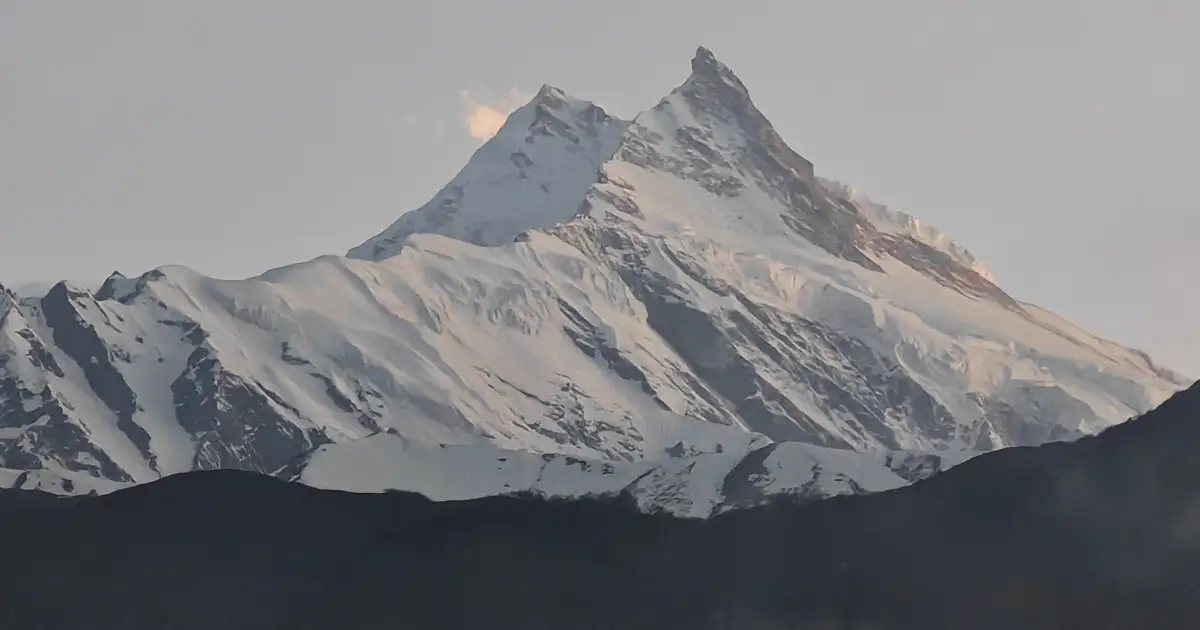
From
Book now $1485 $1590